Category: Opinion/Commentary or International Affairs or Middle East

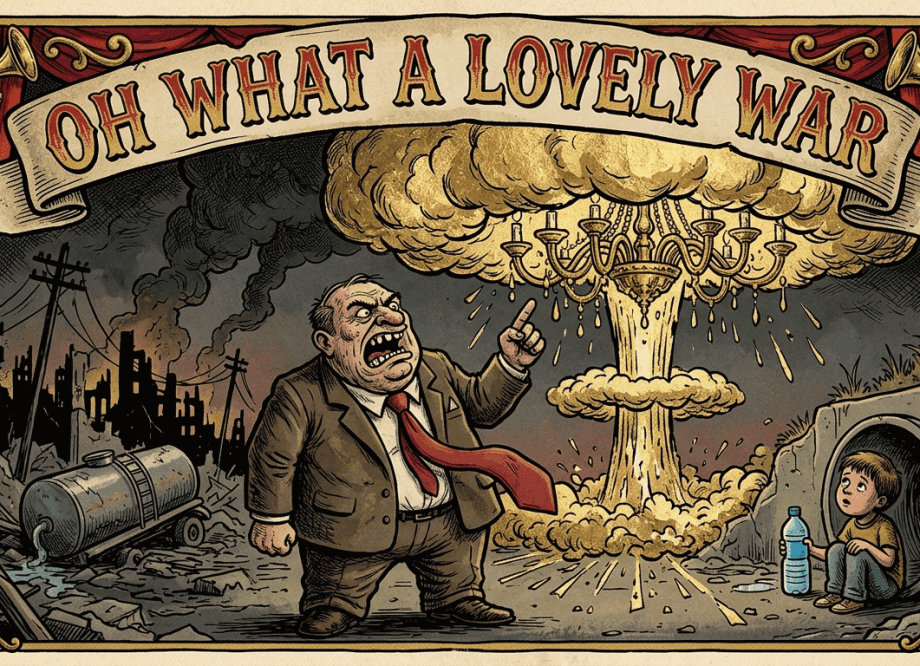
A darkly comic music-hall illustration showing an oversized grotesque figure in a business suit pointing at a gilded mushroom cloud chandelier, while in the background a bombed city silhouette looms and a child holds an almost-empty water bottle beside a drainage culvert.

The Lovely War

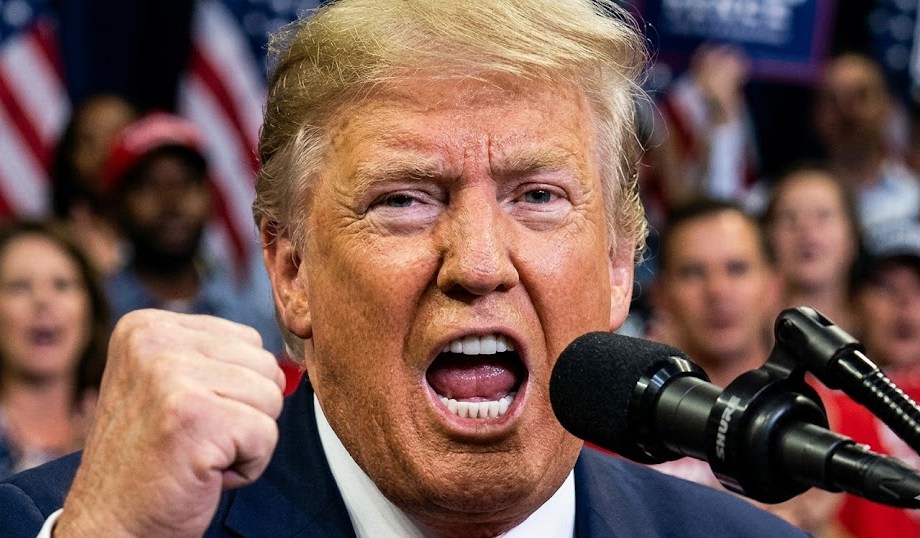
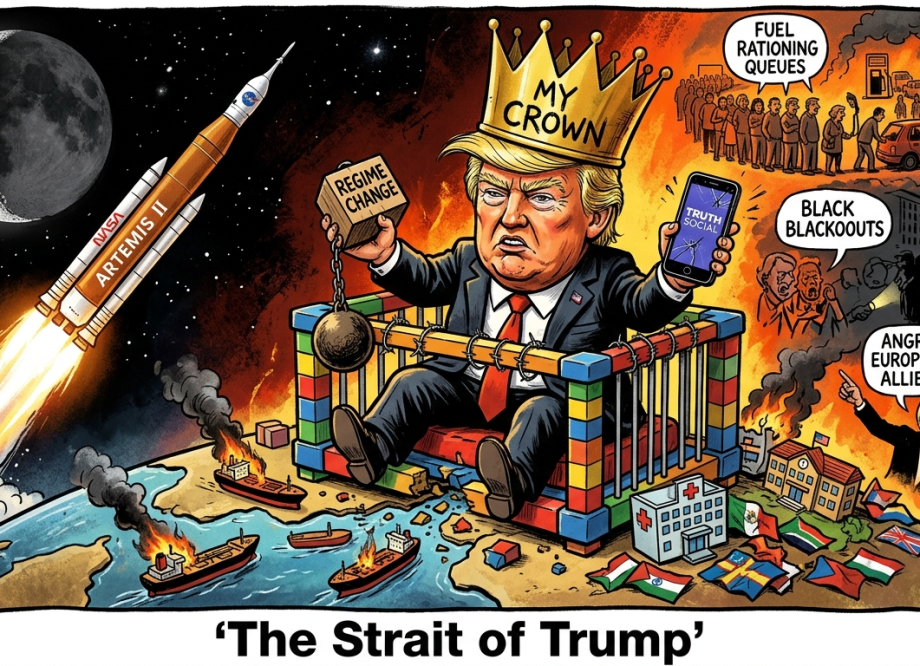
Donald Trump threatens Iran the way he once threatened a recalcitrant steak: same wounded, flinty, infant-king fury. A working homage to Martin Amis — on the Epstein flights, the six-billion-dollar goon squad, the taunting of a proud civilisation, and a nine-year-old girl in Minab waiting for the water that is her birthright. The infant-king has other plans.
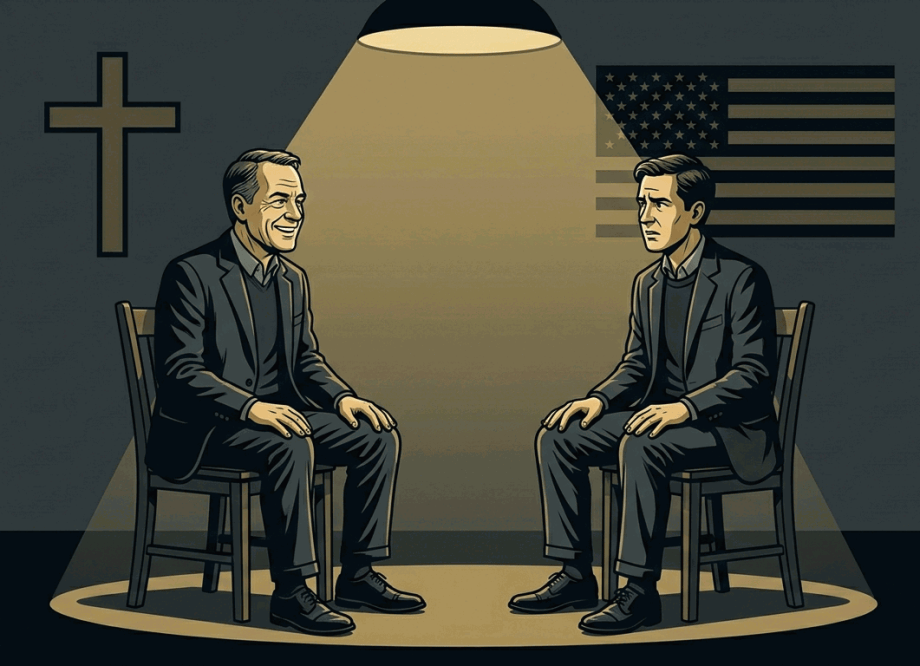
Two figures in a satirical theatrical setting -- one in a suit holding a Bible and military briefing document with a lanyard reading "Office of Sacred Communications," the other a composed interviewer with a clipboard -- lit by a single spotlight, with St Peter's Basilica and a naval carrier group suggested in the background shadows.

The Holy War on the Holy See

Pete Hegseth has a muscular theology. The Pope has Augustine on his side and refugees on his schedule. The Vice President has been explaining Just War theory to an Augustinian. Clarke and Dawe have two chairs, a lanyard marked “Office of Sacred Communications,” and the truth hiding in plain sight. Urban Wronski referees.

Mission Impossible

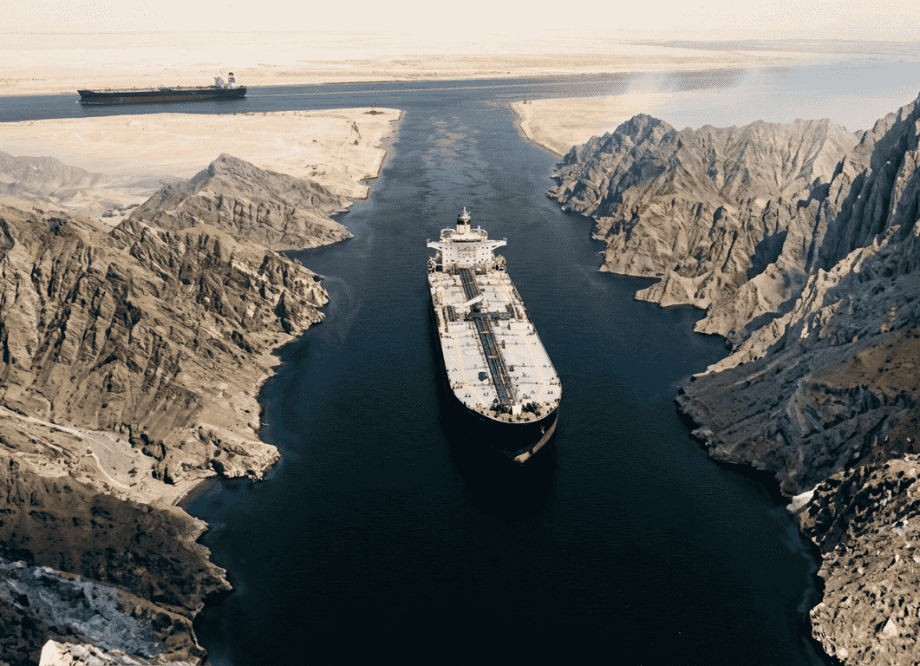
Trump’s Hormuz blockade is live. Oil is at $102. China’s Defence Minister says the strait is open for Chinese ships and dares the US to stop them. A forty-nation coalition is forming against the blockade. And one of the last two tankers carrying pre-war oil on earth is heading to Australia. Urban Wronski on the war Trump cannot win.

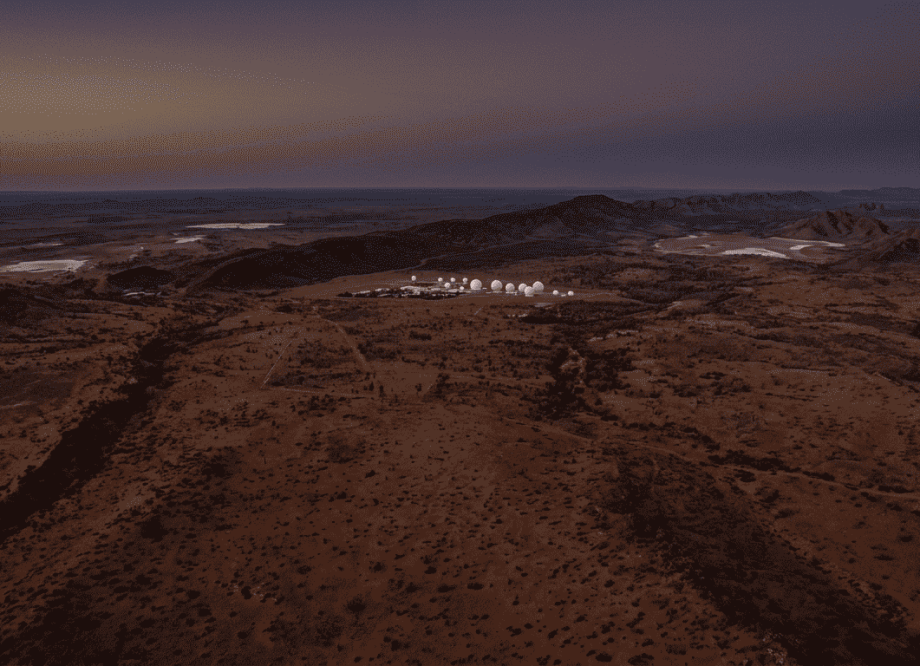
The radome spheres of Pine Gap intelligence facility visible against the Australian desert sky at dusk, small against the vast red landscape

Not Reporting A War Part 2

Pete Hegseth is the Peter Principle applied to the largest weapons arsenal in human history. Pine Gap guides the missiles. Australian-made F-35 parts are in the payload. And our media calls it a partnership. Part Two of Urban Wronski’s investigation into what Australia’s press is not reporting, and what our silence is costing.

Trump’s Invisible Airstrip Show

Trump burned two C-130s on an Iranian runway, declared total victory, and is now threatening to demolish the power grid of 92 million people. Tonight is the deadline. Urban Wronski on the Easter debacle built on assumption, sustained by bluster, and ending in wreckage that no quantity of “WE GOT HIM!” can unbog.

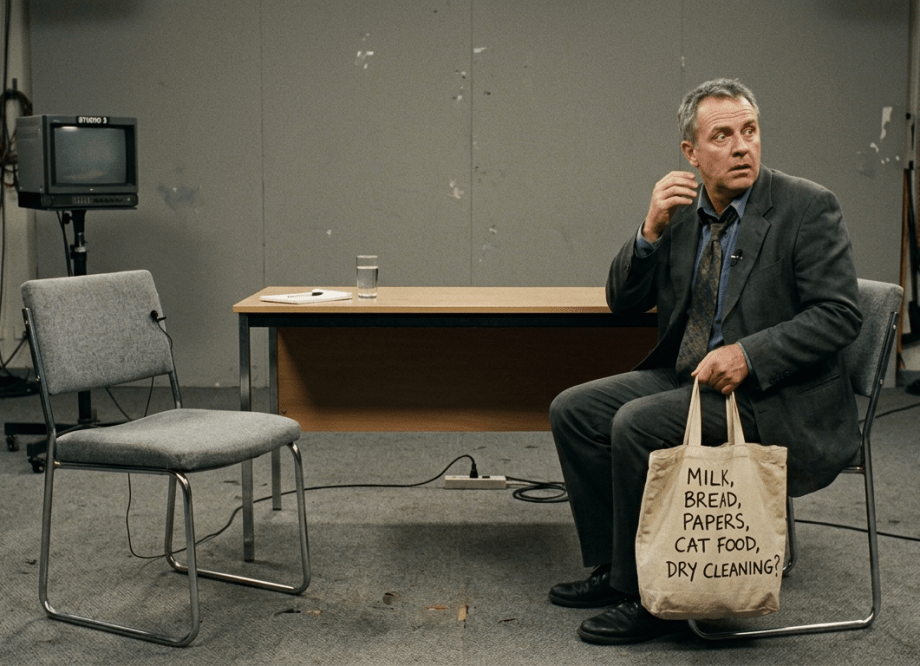
Sparse television interview set in the style of Clarke and Dawe: interviewer at desk, suited figure rising to leave, clutching a shopping bag labelled ALBO, Pine Gap radomes faintly visible through studio window behind him.

A Man of His Word

Bryan Dawe is seated. John Clarke enters in a suit, slightly harried, carrying a reusable shopping bag with “ALBO” written on it in texta.
Australia sent troops to a war it hasn’t declared, through a base it won’t discuss, after a school massacre it can’t explain, while the Prime Minister assures us that transparency is everything. Clarke and Dawe, imagined for the age of Operation Epic Fury.

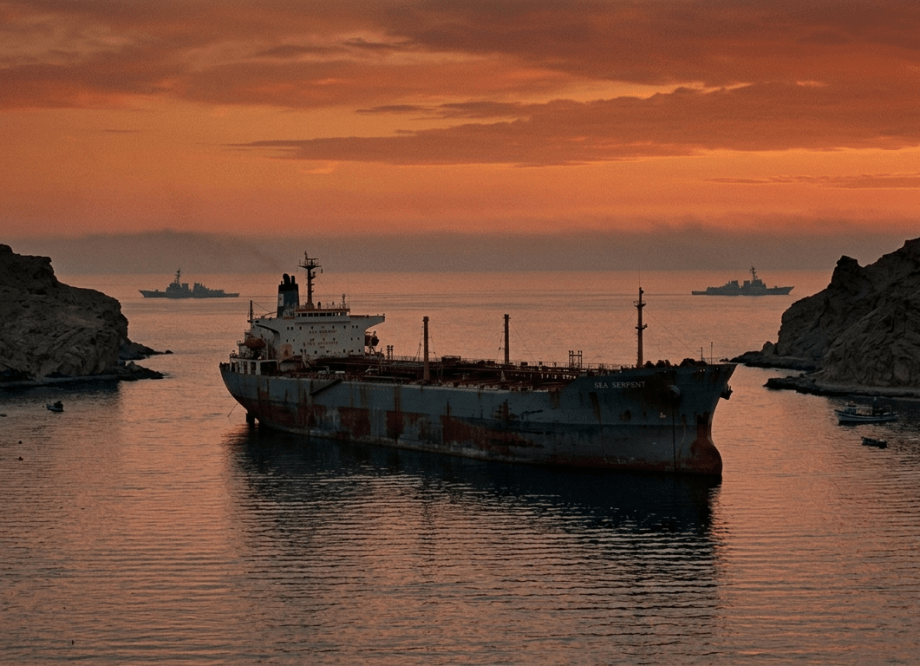
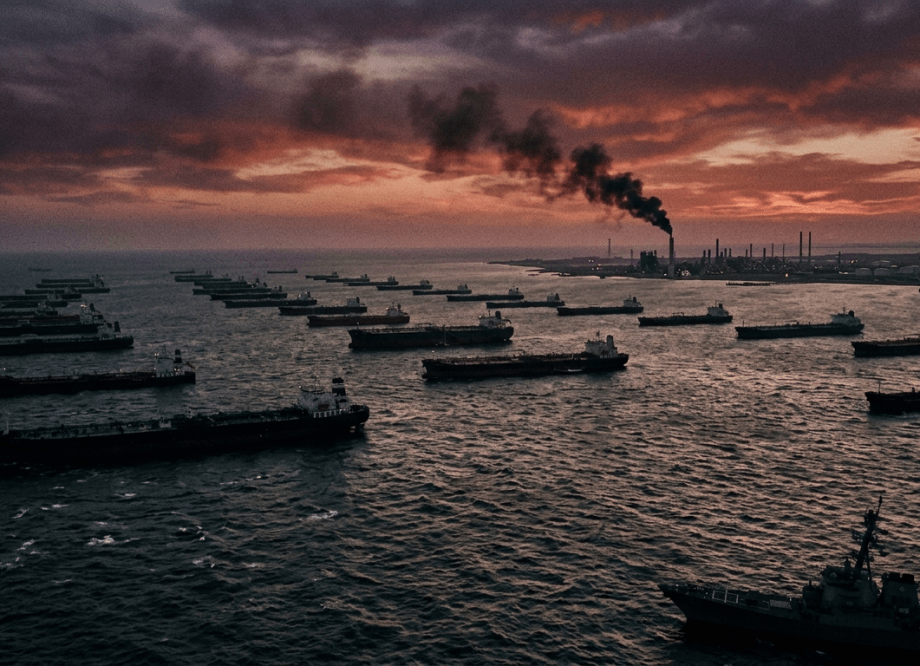
Aerial view of oil tankers gridlocked in the Strait of Hormuz at dusk, black smoke rising from a distant refinery against an orange sky.

Persian Stalemate

Thirty days in, Operation Epic Fury has achieved something genuinely historic: it has made the world less safe, energy more expensive, American alliances more threadbare, Iran more unified, and the US military more fractured — all simultaneously. Pete Hegseth is praying for Armageddon. His troops are filing conscientious objector applications. And in the Strait of Hormuz, the tankers stay put. Urban Wronski on the stalemate that no ground invasion can break and no prayer can win.