A $2 billion project on paper. Then some poor sod makes the mistake of trying to build it.
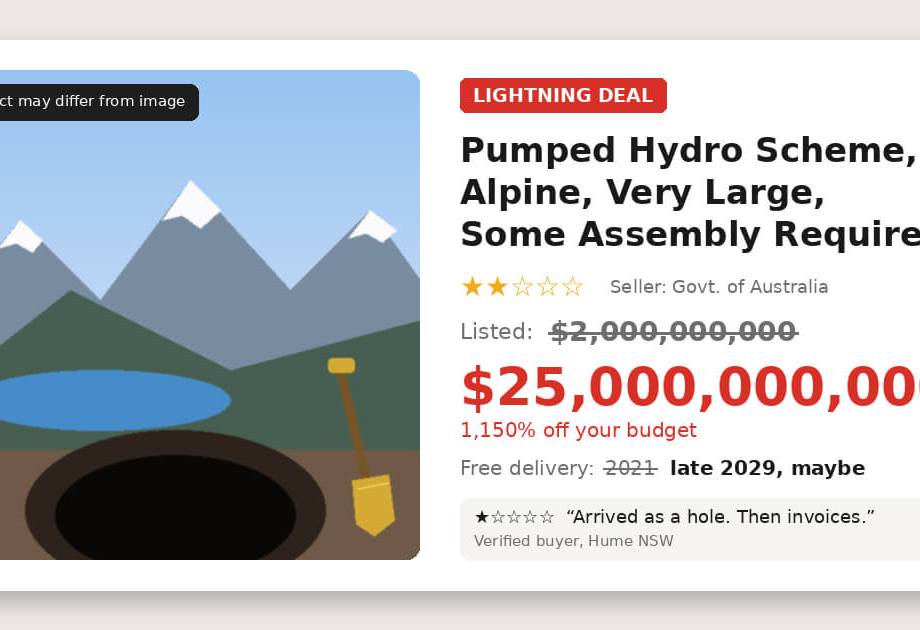
A $2 billion project on paper. Then some poor sod makes the mistake of trying to build it.
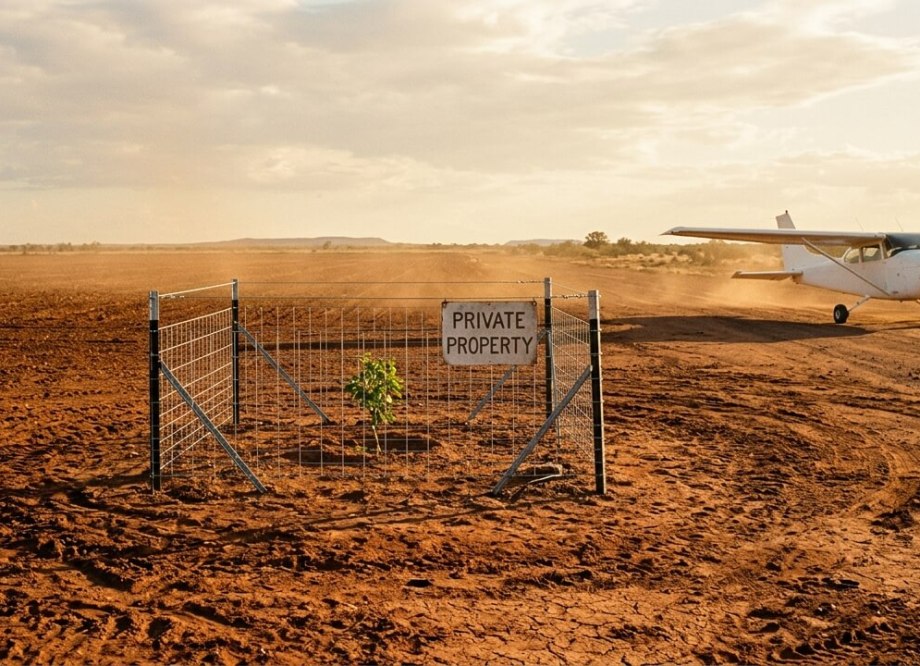
Nobody planted Pauline Hanson. The miners wrote her song a decade before she sang it. Thirty years on, they have bought her a plane.
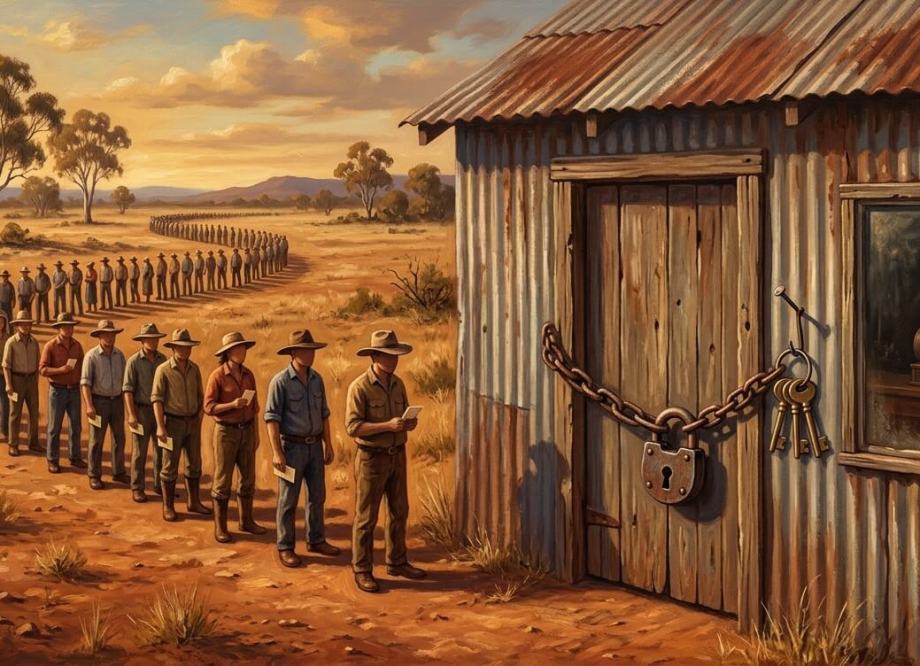
The fraud charge against One Nation’s founders was quashed. The real offence was perfectly legal: a party built so that the people who paid for it would never own it.
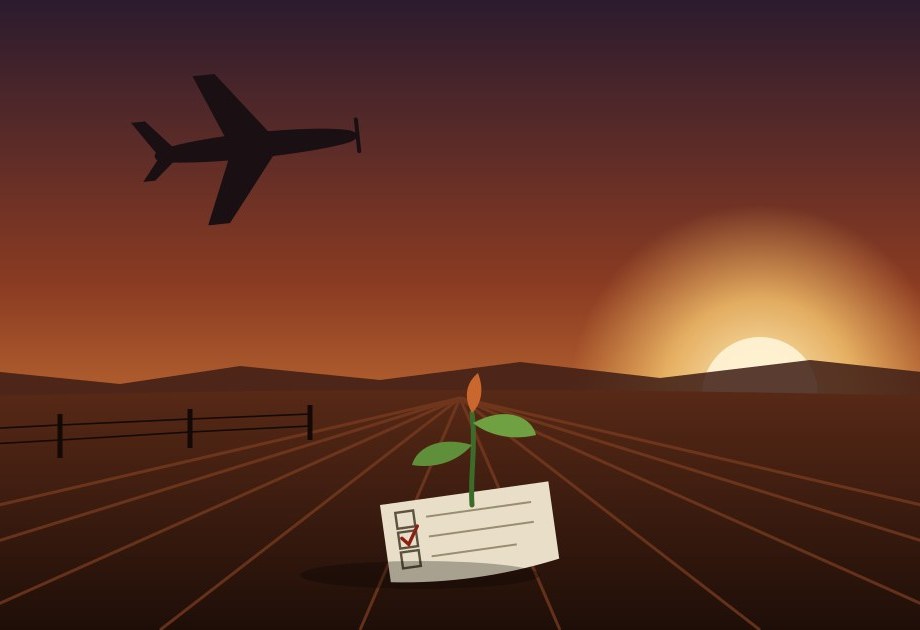
The ballot paper that put Pauline Hanson in Parliament was an accident. What grew around her was not.
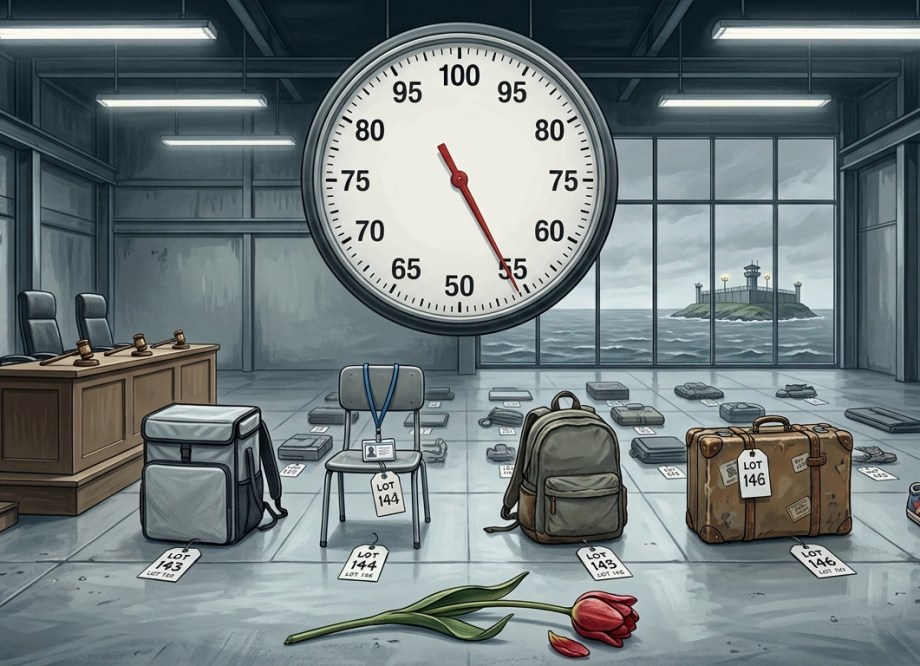
Labor, the Coalition and One Nation are calling the migrant intake down like lots on a falling clock. Nobody at the podium will ask what we owe the people on the block.
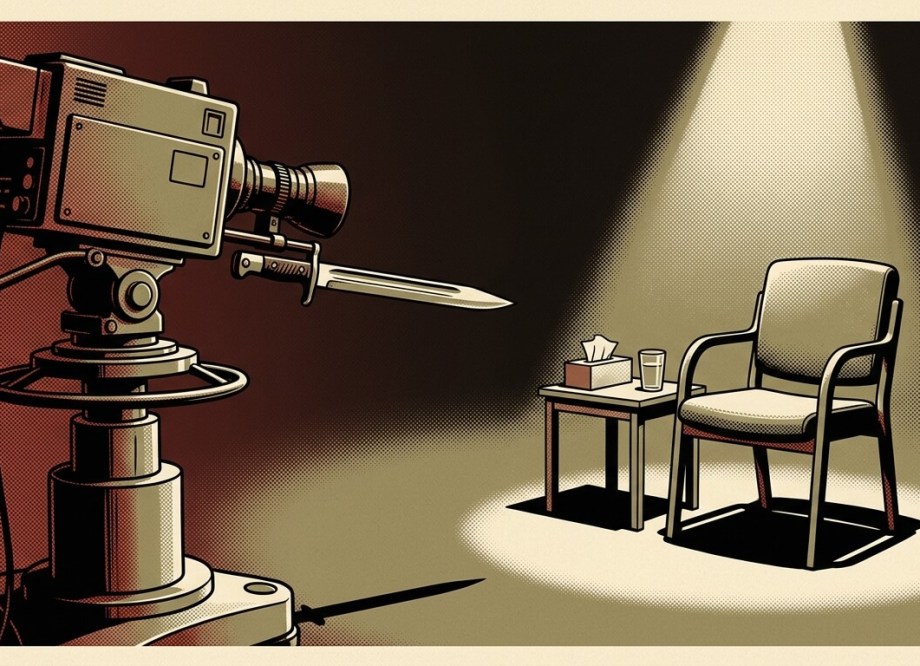
Four days as Greens leader: choked up on 7.30, tagged an ecopopulist, accused of prejudice, charged with snobbery. That’s not a gaffe cycle. It’s a method.
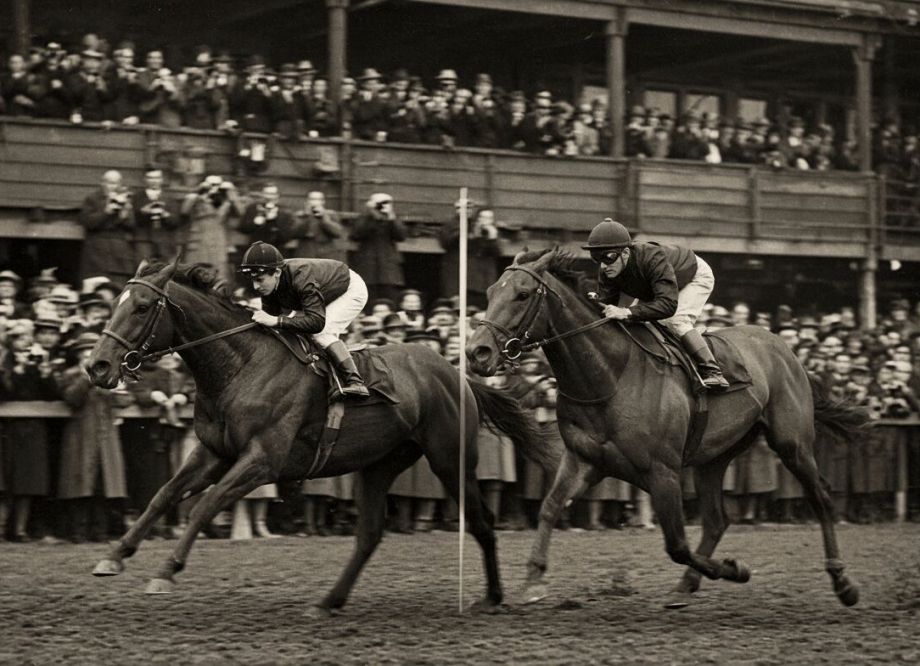
The press gallery has already called the Greens a roughie. In 1948 a camera at Flemington had something to say about that.
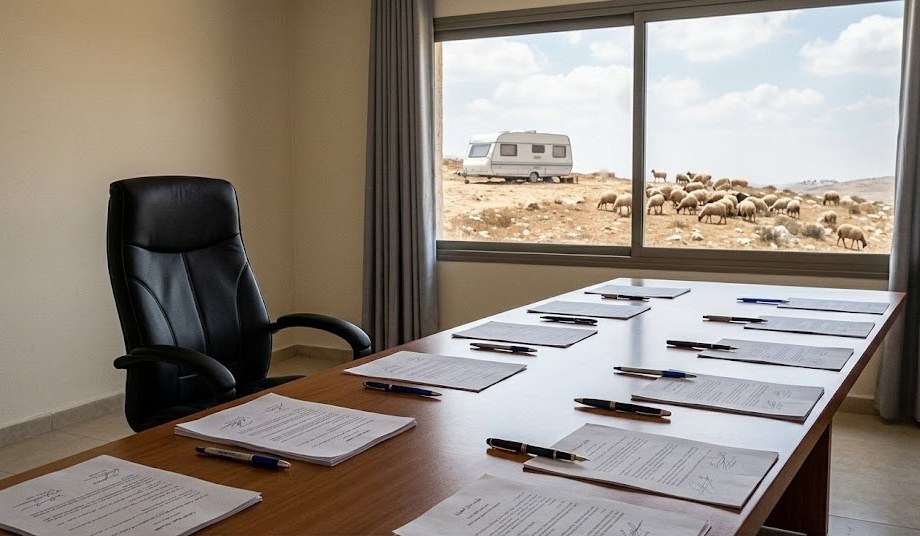
Twelve nations put a price on Israel’s illegal settlements. Canberra sat at the table for months, then remembered it had a Security Council seat to win.
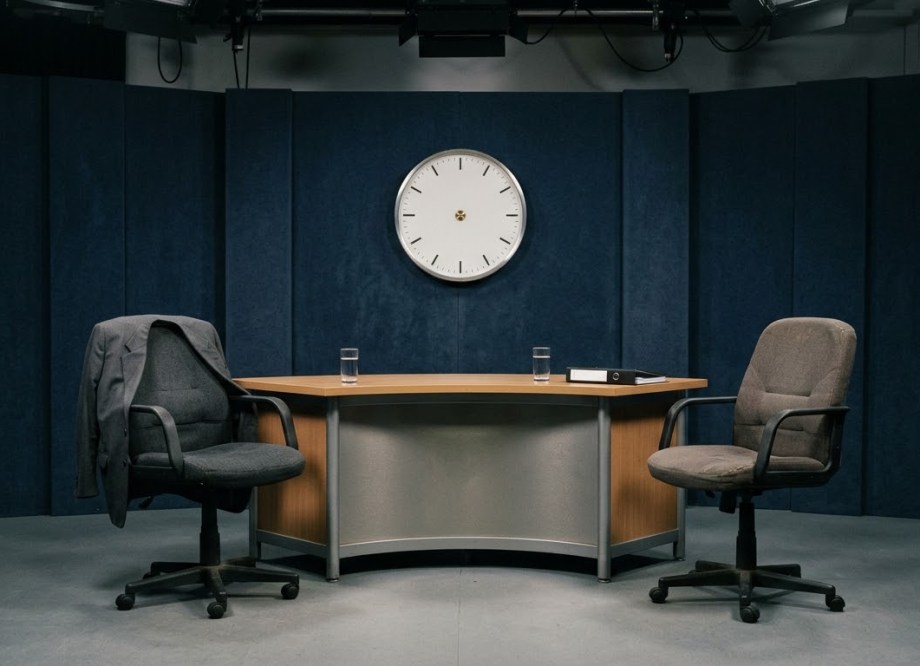
Twelve countries signed a statement on trade with Israeli settlements. Australia was very much part of the process. The early part.

Thomas Hobbes said a frightened people will hand a strongman the right to end their arguments about the truth. Trump worked out he doesn’t need to end the argument. He just needs to own the facts in it, and the forty years of dying that made the offer irresistible.
Once a week, I share one poem with commentary and insights.
Society, politics, economics, education, population, immigration and demography
Your source for what's trending in the news!
davidtylerpoet
Exclusives | Investigations | News
Sometimes Uncomfortable Reading but…
A topnotch WordPress.com site
An exploration of the hazardous objects and features found in the Victorian home
Psychology & Psychoanalysis in the 21st Century
Musings from home and hearth
Adding my voice to Australian Politics
New, fearless, fresh and original Australian political comment, satire and more.
Political Enthusiasts, Proud ALP & PM Julia Gillard supporters! Dislike media bias. Hate racism, injustice and lies.
Real News - New News - Independent News
This WordPress.com site is the bee's knees
The AIMN is an online platform that provides a space for citizen and public interest journalists to engage in and contribute to independent media, focusing on politics, democracy, environment, and identity.
A topnotch WordPress.com site
SIT DOWN, HAVE A DRINK, RELAX.

