Category: Middle East Politics, International Affairs, Human Rights, Political Analysis, Opinion and Commentary, US Foreign Policy

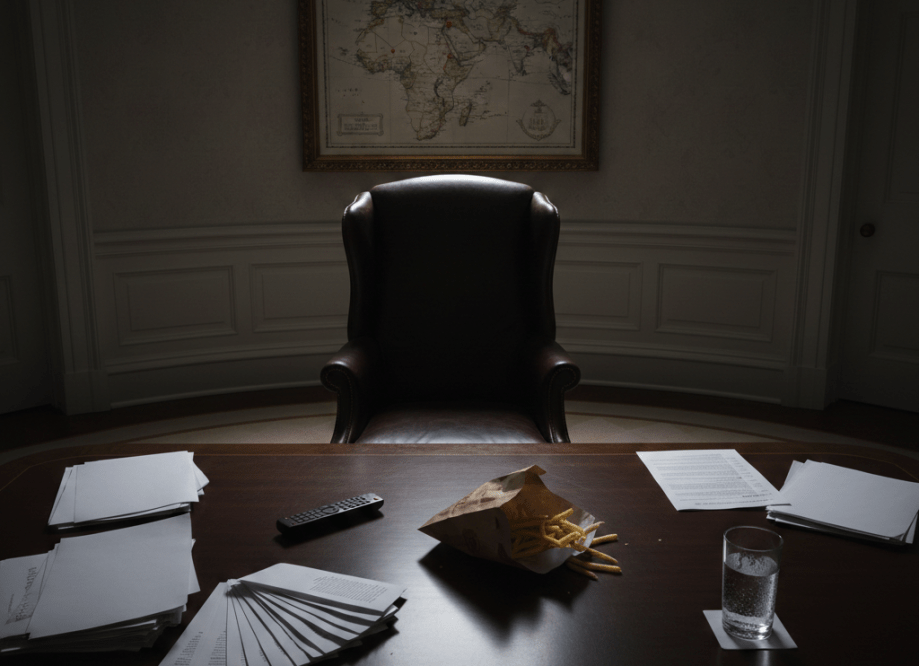
Empty presidential chair at an Oval Office conference table, briefing papers scattered, Middle East map on the wall.

When Donald Trump declares victory over Iran’s nuclear program, his own intelligence chiefs exchange glances. The IAEA knows otherwise. But in the mind of a man with frontotemporal dementia, facts are optional. This is the story of an empire on autopilot — steered by a president whose most dangerous weapon is his own deteriorating mind.

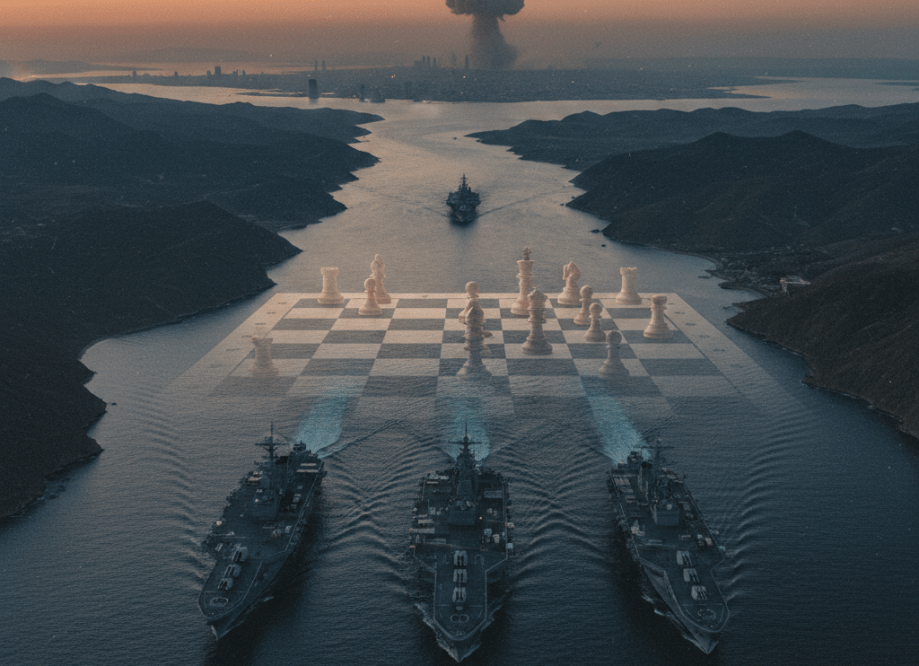
US Navy carrier strike group in the Strait of Hormuz at dusk, symbolising the tense US-Iran military standoff of early 2026.

Locked, Loaded, and Stuck: Why the Second Iran Strike Won’t Come Easy

Trump says the United States is “locked and loaded.” Israel has Operation Iron
Strike sitting authorised on a shelf. Yet the second blow on Iran hasn’t
landed — and the reason is written not in diplomatic fine print but in depleted
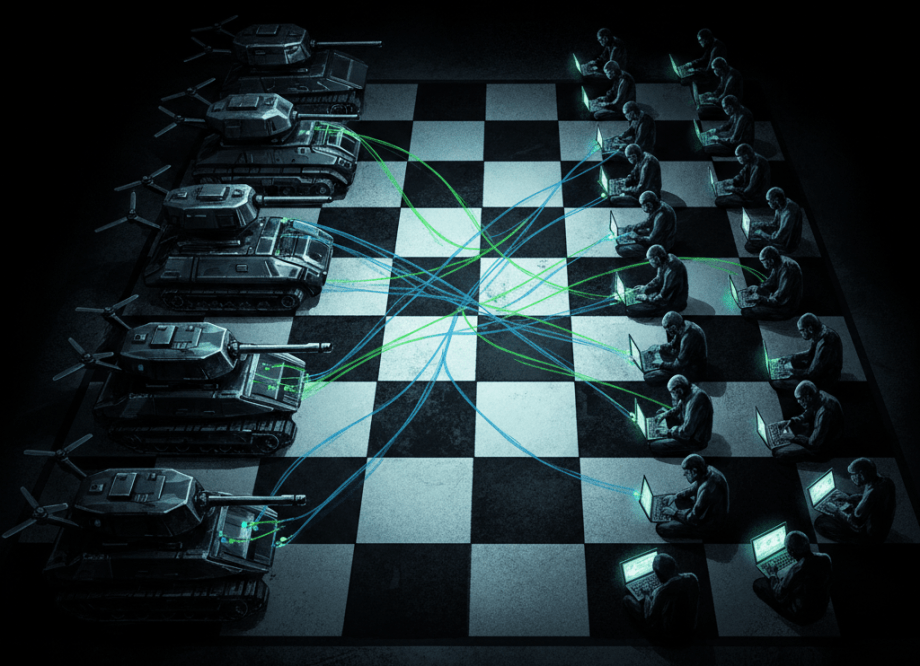
missile stockpiles and the darkening arithmetic of a CRINK alliance that neither
Washington nor Tel Aviv knows how to break. Vulnerability, not virtue, is
driving the pause.

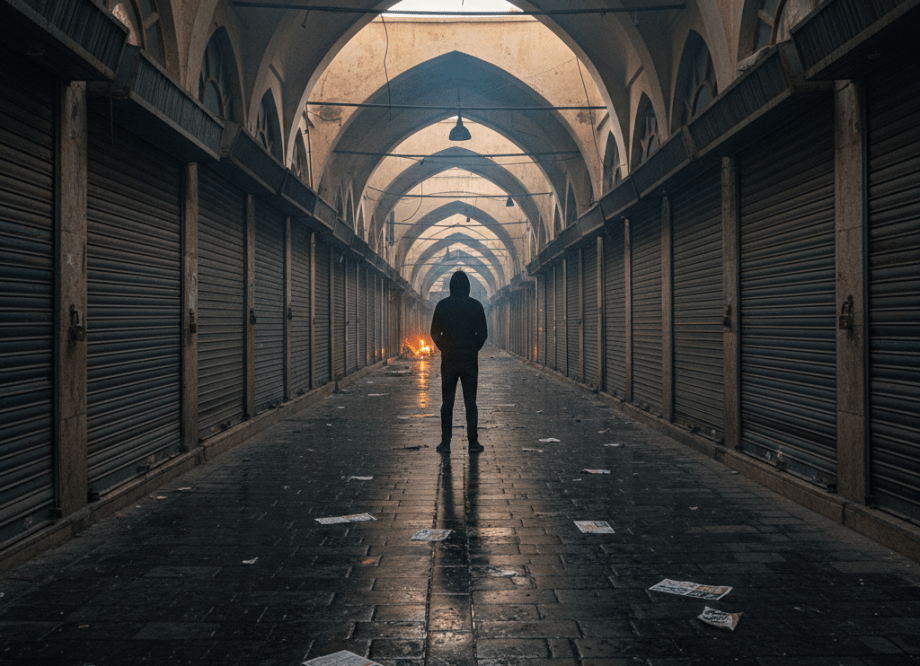
Shuttered shopfronts in a Middle Eastern bazaar at dusk with scattered leaflets on wet cobblestones and distant fire glow through tear gas haze.

The Arson Investigator: How Western sanctions built Iran’s bonfire; and now, the firebugs demand to lead the rescue

Every empire tells itself its mission is not to plunder and control but to educate and liberate. Edward Said wrote that about Iraq. It reads as though written yesterday, about Iran. New two-part series from Urban Wronski examining how Western sanctions engineered Iran’s economic collapse — and why the same powers now present themselves as liberators. Part 1: The Arson Investigator.

The Rules-Based Order: Where America Gets Away with Murder, and Everyone Else Gets the Bombs

The US and its allies including Australia don’t give a fig about Iranian or Palestinian lives. If they did, they wouldn’t be starving Iranians with sanctions that block medicine, food and fuel. They wouldn’t be funding insurgents who turn protests violent, ensuring the regime cracks down harder. They wouldn’t be threatening war while pretending to care about “the brave Iranian people”.

The US’s Multi‑Front War: A House of Cards

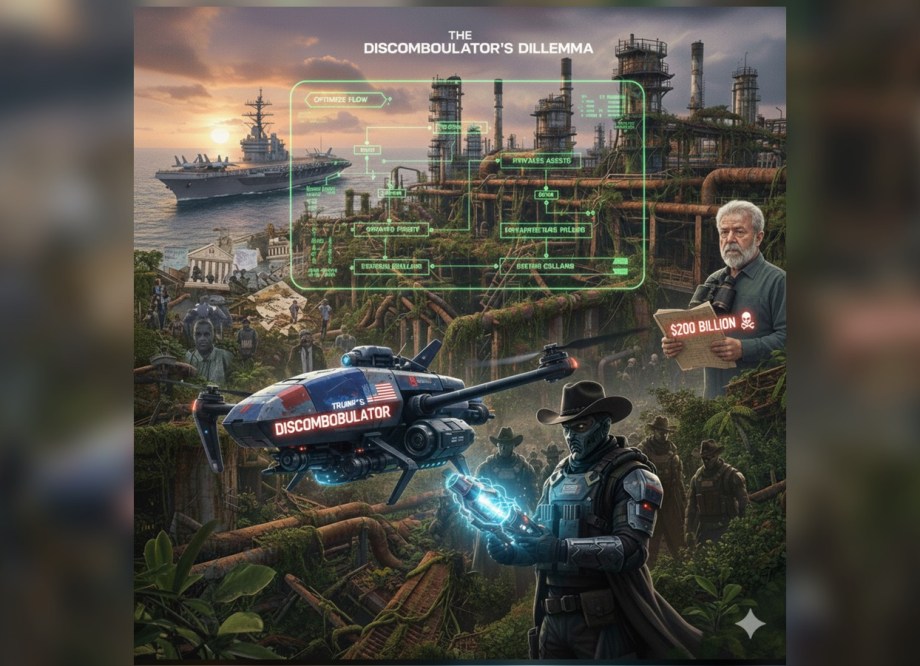
President Trump’s “Caracas raid,” enabled by the mysterious “Discombobulator,” epitomized a “Butch Cassidy” approach to international relations: a quick smash-and-grab to seize vital resources. Yet, as the rusty reality of Venezuela’s dilapidated oil infrastructure and a $200 billion repair bill quickly proved, the high-tech crowbar of the Discombobulator couldn’t fix what decades of neglect and sanctions had broken. Now, as a similar high-stakes gambit unfolds in the Persian Gulf against Iran, leaders like Brazil’s Lula caution against the “terrorism on an industrial scale” that comes with mistaking a tactical victory for a sustainable policy.