Tag: middle-east

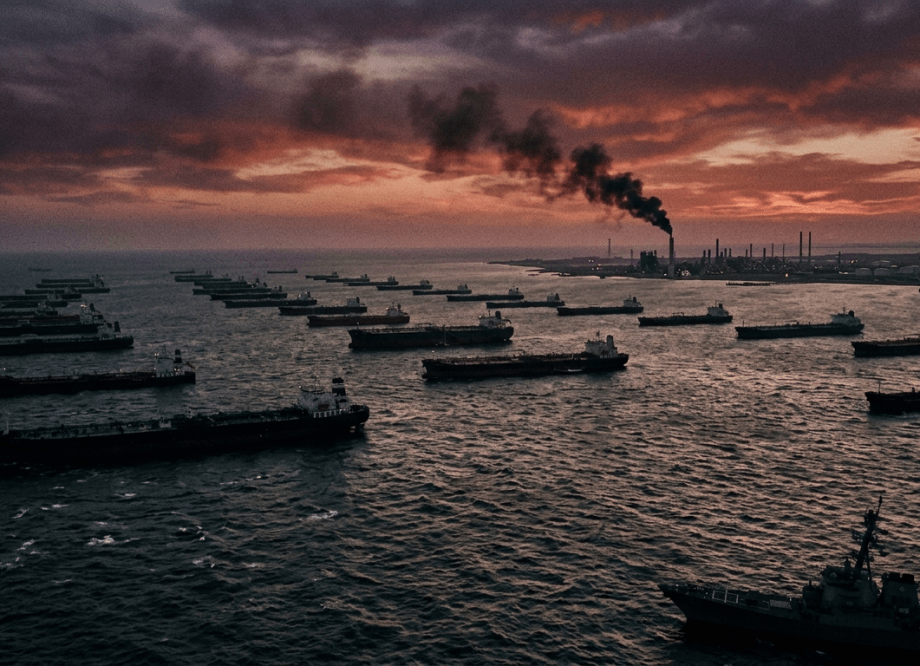
Aerial view of oil tankers gridlocked in the Strait of Hormuz at dusk, black smoke rising from a distant refinery against an orange sky.

Persian Stalemate

Thirty days in, Operation Epic Fury has achieved something genuinely historic: it has made the world less safe, energy more expensive, American alliances more threadbare, Iran more unified, and the US military more fractured — all simultaneously. Pete Hegseth is praying for Armageddon. His troops are filing conscientious objector applications. And in the Strait of Hormuz, the tankers stay put. Urban Wronski on the stalemate that no ground invasion can break and no prayer can win.
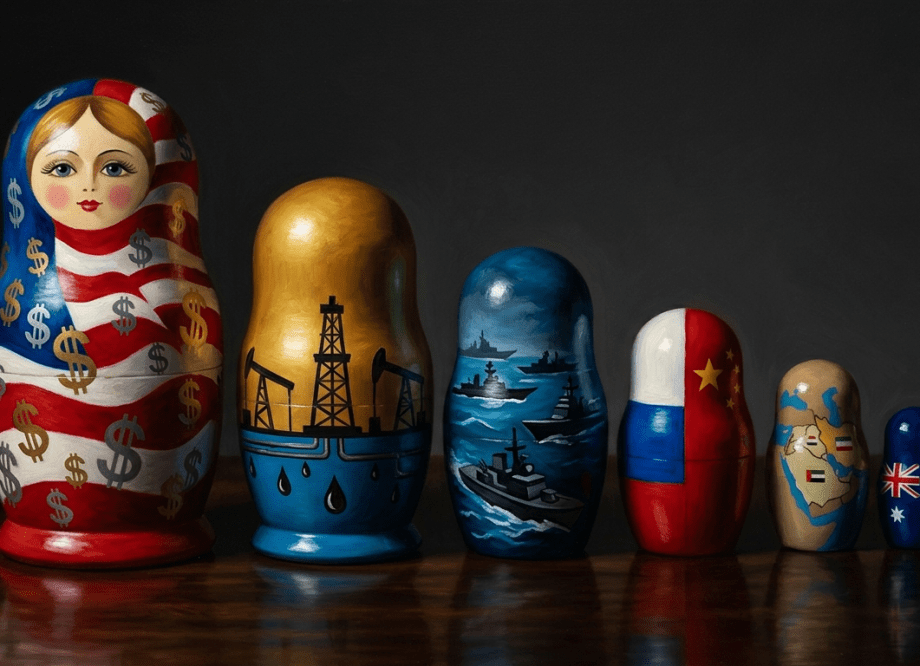
Russian nesting dolls representing layers of the US-Iran war: money, military force, great power rivalry, and Australia

The Stench of Desperation: Trump’s War on Iran and the Babushka of Greed, Ego, and Catastrophe

To make sense of Trump’s war on Iran, imagine a Russian
babushka doll. The outer layer is the story the Pentagon feeds
us. Inside it: petrodollar entanglements, Kharg Island
war-gaming, the strategic patience of Moscow and Beijing,
Netanyahu’s fantasy of the purifying blow. At the very centre,
smaller than it should be, is Australia. Urban Wronski opens
all six layers and does not like what he finds.

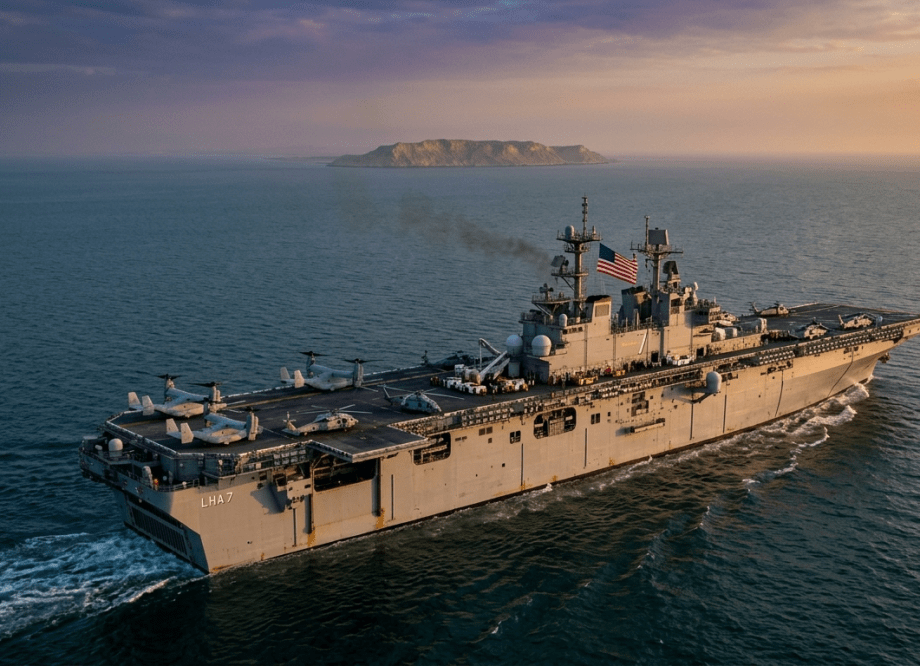
US amphibious assault ship at sea with Kharg Island visible on the horizon, Persian Gulf

Iwo Jima, They Said: Marines Move on Iran as Tel Aviv Burns and the Alliance Dissolves

Lindsey Graham is evoking Iwo Jima. Iran is mining Kharg Island’s shoreline. Seven thousand five hundred US Marines are days away from the Persian Gulf. The war is 26 days old, has cost $18 billion, and the White House’s official position is that they need about a month to “get Iran by the balls.” Australia is calling for de-escalation. The crease in the trousers remains arrow-straight.

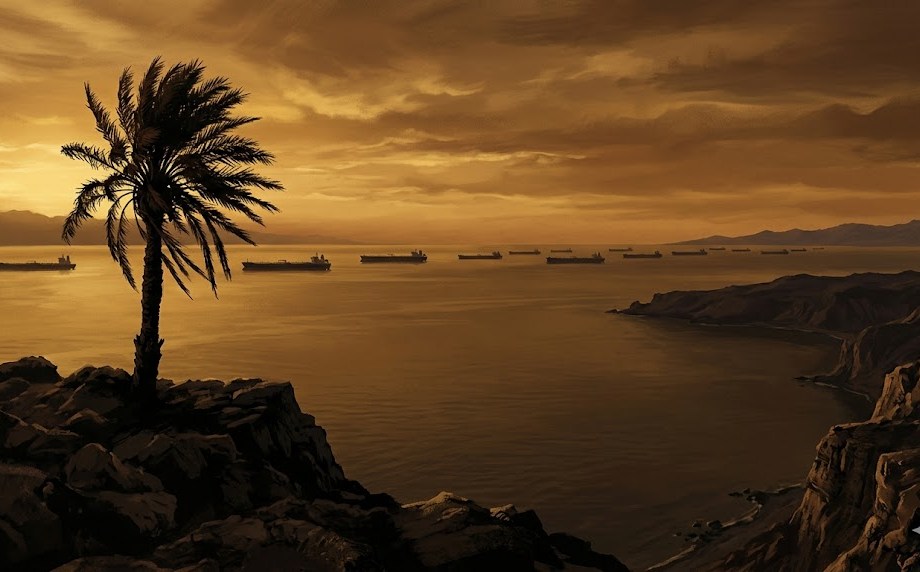
A date palm silhouetted at dusk on the Iranian coast, oil tankers idle on the Strait of Hormuz behind it.

The Place of Dates

Through the Strait of Hormuz — named either for the Zoroastrian god Ahura Mazda or the Persian phrase for ‘Place of Dates’ — flows 20% of the world’s oil. Or rather, it did. Iran has now reduced traffic by 97%. Urban Wronski traces the etymology, the date palm’s lessons in patience, and what empires learn the expensive way.

Editorial illustration depicting a fractured military command structure, symbolising the internal divisions within the Trump administration over Operation Epic Fury against Iran in 2026.

No Good Exit

Two weeks into Operation Epic Fury, the Trump administration has no exit strategy, no agreed objective, and a secretary of defence who believes God has a plan for the outcome. Inside the fractures, the contradictions, and the slow drift toward a quagmire nobody in Washington will name out loud. By Urban Wronski.

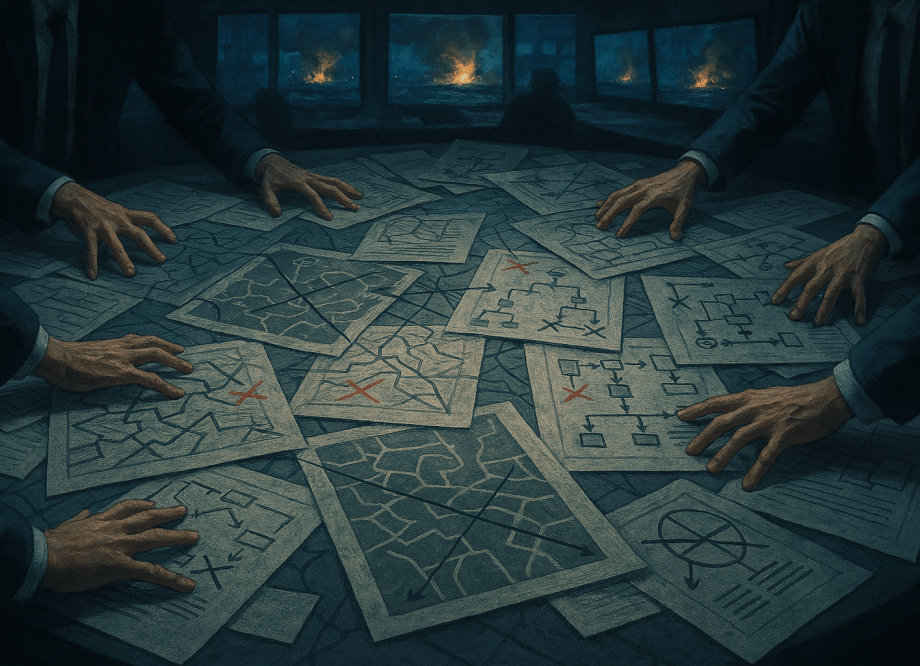
Silhouetted figures seated at a circular table in a bare, harshly lit room, backs turned to a door standing slightly ajar, light bleeding through the crack.

No Exit

Jean-Paul Sartre wrote a play about three people locked in a room with an unlocked door nobody would walk through. He called it No Exit. He was writing about Operation Epic Fury seventy years before it happened. A forensic anatomy of a war built from mutual imprisonment, strategic miscalculation, and the fatal habit of assuming the other side thinks like us.

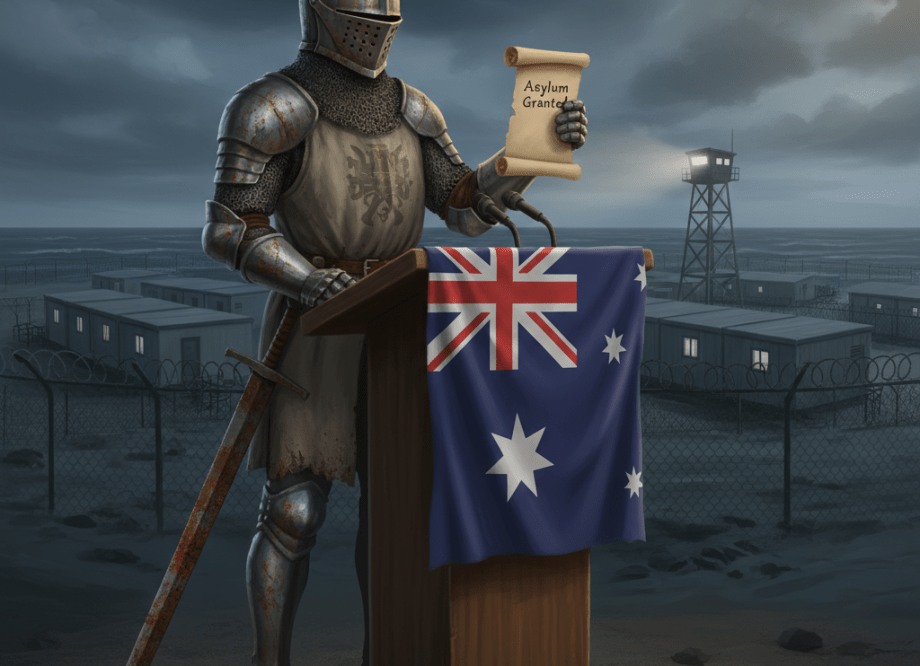
Editorial illustration of a knight in tarnished rusty armour standing at a press podium with an Australian flag, while a remote island detention centre is visible in shadow behind him.

The Photo-Op Refugee: Australia’s Selective Compassion

Australia granted asylum to six Iranian footballers this week and the ministerial photographs were impeccable. Behind them sits a detention archipelago that cost taxpayers four million dollars per person per year to maintain, a Witness K prosecution that criminalised truth-telling, and legislation introduced the same week to ban entry to entire nationalities without individual assessment. Urban Wronski looks behind the photo opportunity.

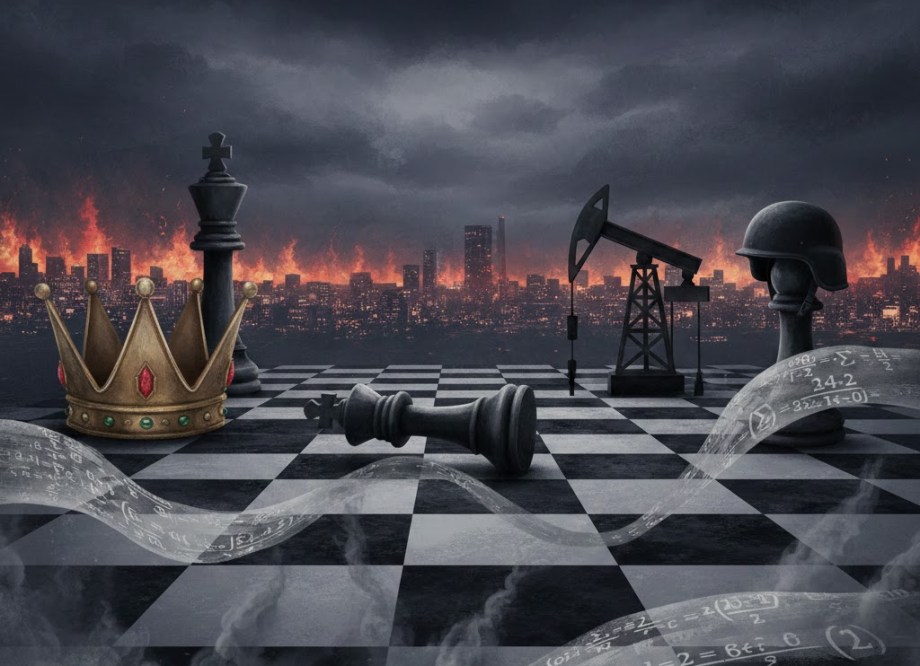
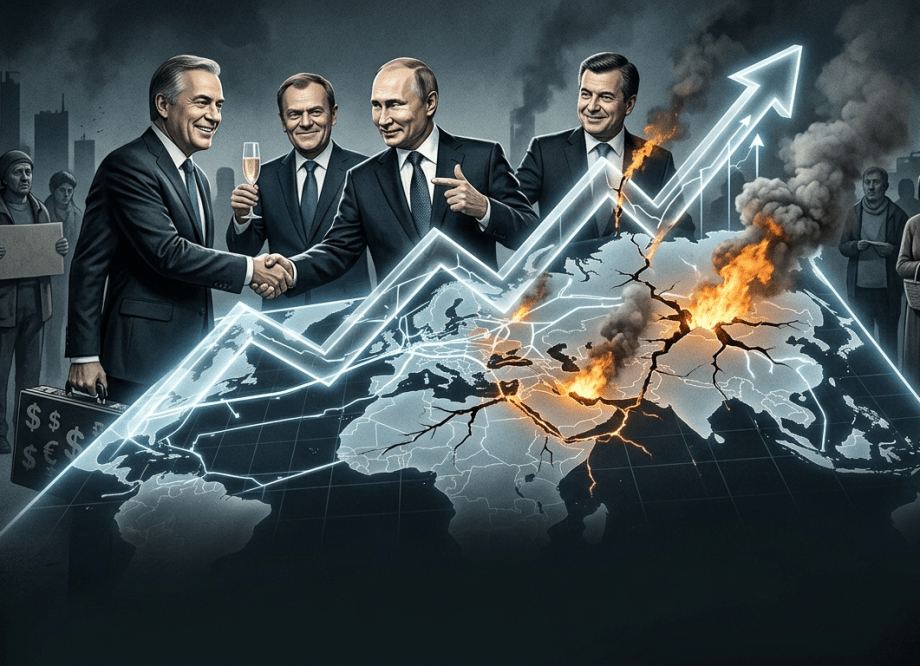
Dark editorial illustration of shadowy figures in ornate portrait frames on a gallery wall, a burning city visible through a window behind them, suggesting the architects and beneficiaries of a catastrophic war.

Netanyahu, MBS, Putin and the Useful Idiot 

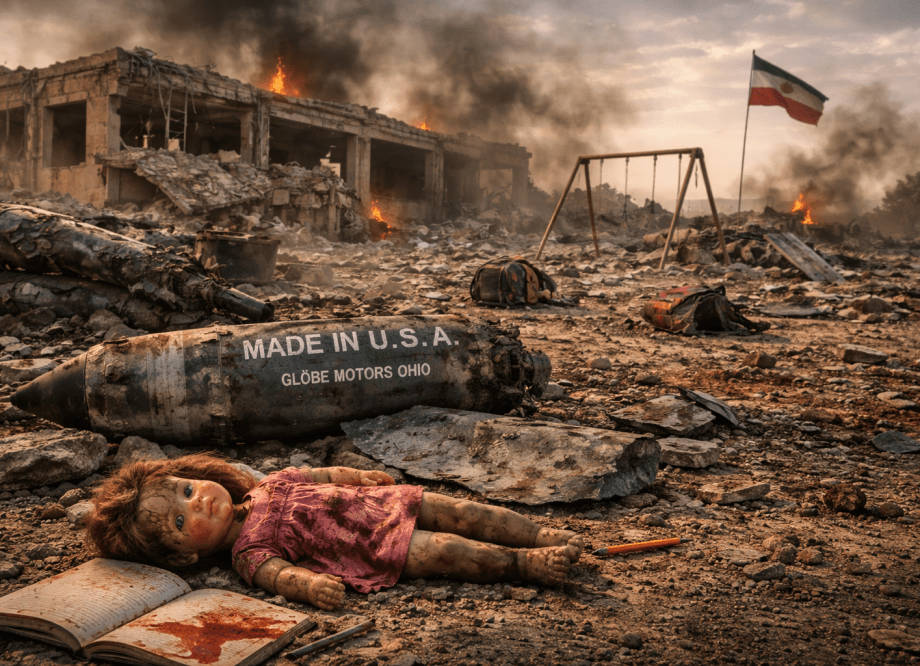
Russia feeds Tehran American targeting intelligence. Netanyahu needs the war to continue. MBS counts his oil revenues. One hundred and seventy-five children were at school in Minab when the missile struck. The mathematics of this catastrophe have been visible from the start. That nobody in Washington appears to have done the sums is the most damning fact of all.