Tag: Labor Government

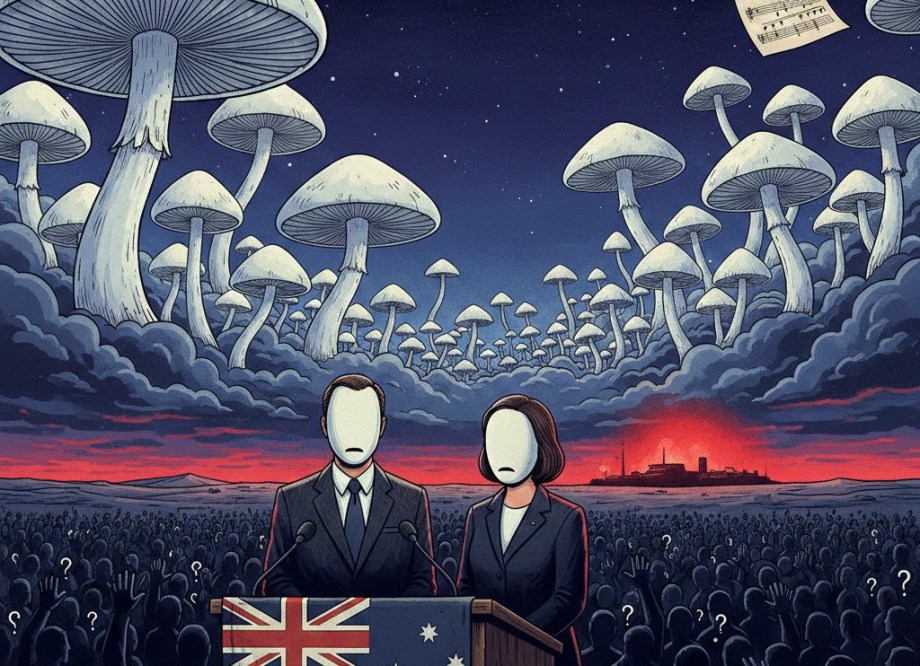
Clarke and Dawe Do Canberra Discipline

In a satirical dialogue, Prime Minister Clarke discusses the appointment of Greg Moriarty as Australia’s ambassador in Washington. Clarke defends the promotion as a form of accountability and claims that survival in politics defines success. The conversation highlights the perceived continuity and unchanging culture within the government, despite promises of reform.

ALL I WANT FOR CHRISTMAS IS MUM’S LOGIN: How Labor’s Social Media Ban Became a Masterclass in Government Theatre

Christmas 2025, and Australia’s teenagers are unwrapping their presents: new VPNs, borrowed parental logins, and AI-generated profile photos. Two weeks into Labor’s world-first social media ban, and it’s already a monument to performative governance. Meanwhile, the minister who should be celebrating is in hiding over travel rorts, and the policy architect has vanished into an expenses scandal. Welcome to government theatre at its finest.

Wronski’s News on Wednesday

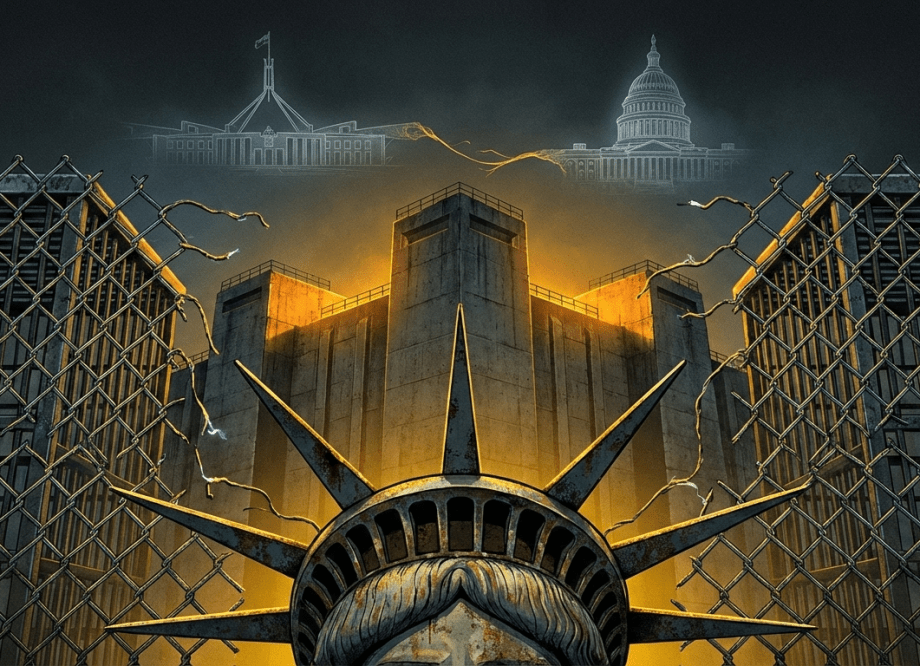
Tuesday 10 December revealed Australian politics at its finest: banning teenagers from social media while spending $368 billion on submarines the UK admits it can’t build, from a country that’s already moved on diplomatically. Welcome to the Kingdom of the Unfalsifiable, where policy exists beyond verification, protected by the impenetrable forcefield of good intentions. As Richard Denniss observed, only a fabulously rich country could commit such sums without troubling Treasury or Parliament. We’re not battlers – we’re loaded enough to operate entirely in the realm of political fan fiction.

Part Four: “When ‘Historic Reform’ Means Managed Decline”

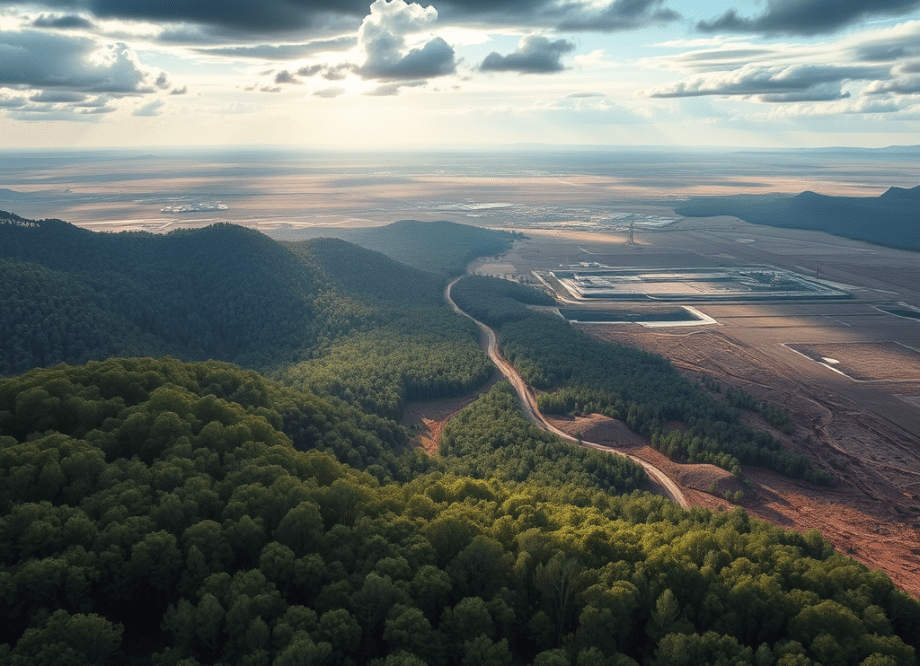
The final instalment: Did Labor’s environmental reform stop the degradation, or just slow it down enough to look serious while keeping the machinery of destruction functional? We measure the bill against Samuel’s recommendations, synthesise what every independent expert told us, and reveal the four-step pattern of how to manage environmental decline while calling it protection. This is policy capture in a democracy, not through corruption or conspiracy, but through the mundane mechanics of political calculation where industry interests outweigh both scientific advice and majority voter preference.

How Australia’s “Landmark” Environmental Reform Got Captured

Five years after the Samuel Review exposed catastrophic failures in Australia’s environmental laws, Labor has delivered reforms that every major independent environmental organisation says fall dangerously short. Part One examines what Samuel actually recommended versus what we got, featuring damning assessments from the Environmental Defenders Office, Climate Council, ACF, Greenpeace, and WWF-Australia. When every credible environmental voice in Australia identifies the same fundamental flaws, that’s not ideology. That’s evidence.

Australian Prime Minister Anthony Albanese speaking, illustrating post-election government scrutiny and accountability concerns

The Government That Isn’t: Labor’s Masterclass in Looking Busy

They gave him 94 seats and a mandate like no other. But barely five months after his landslide re-election, Anthony Albanese’s government is already disappointing voters. From FOI requests plunging to just 25% approval, to $1 million in climate travel in two months, to a housing policy that makes homes less affordable—the second-term complacency is real. As independent MPs note: “We couldn’t go any lower than Morrison, but we have.”

Captured State: How Corporate Australia Wrote Labor’s Climate Surrender

The real tragedy isn’t just pissweak climate policy—it’s the systematic corruption of democratic governance itself. We’ve cultivated a political class more eager to curry favour with the titans of industry than to tackle the programs that might actually drag our collective arses out of the fire. Cabinet ministers book more face-time with fossil fuel executives than climate scientists. Policy frameworks emerge from industry “working groups,” not public consultation.