A seductive theory claims the US-Israel war on Iran is driven by LNG profits. It sounds convincing. It is also wrong. When examined closely, the market logic collapses, leaving behind a far messier and more dangerous reality.
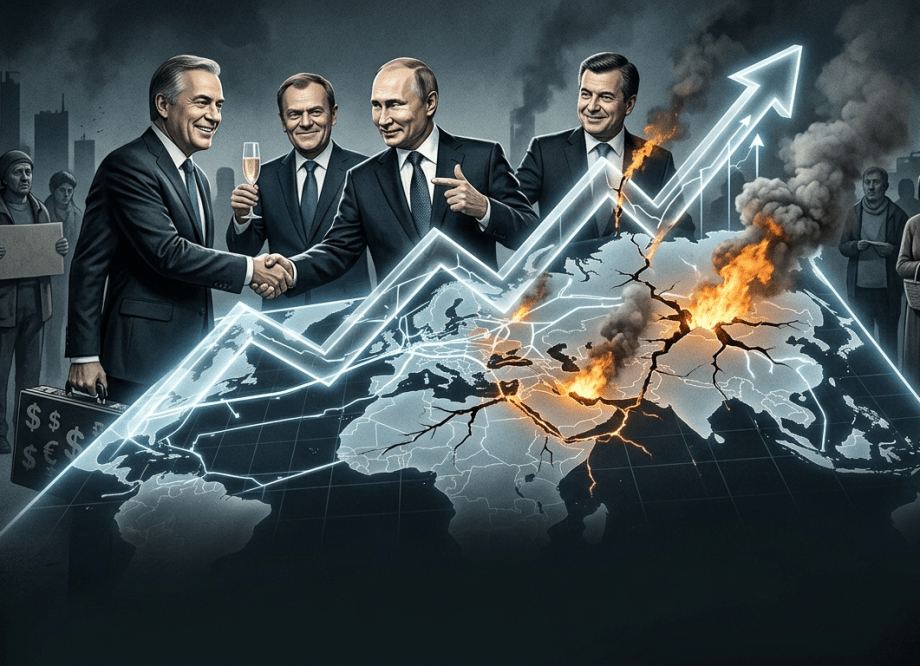
A seductive theory claims the US-Israel war on Iran is driven by LNG profits. It sounds convincing. It is also wrong. When examined closely, the market logic collapses, leaving behind a far messier and more dangerous reality.
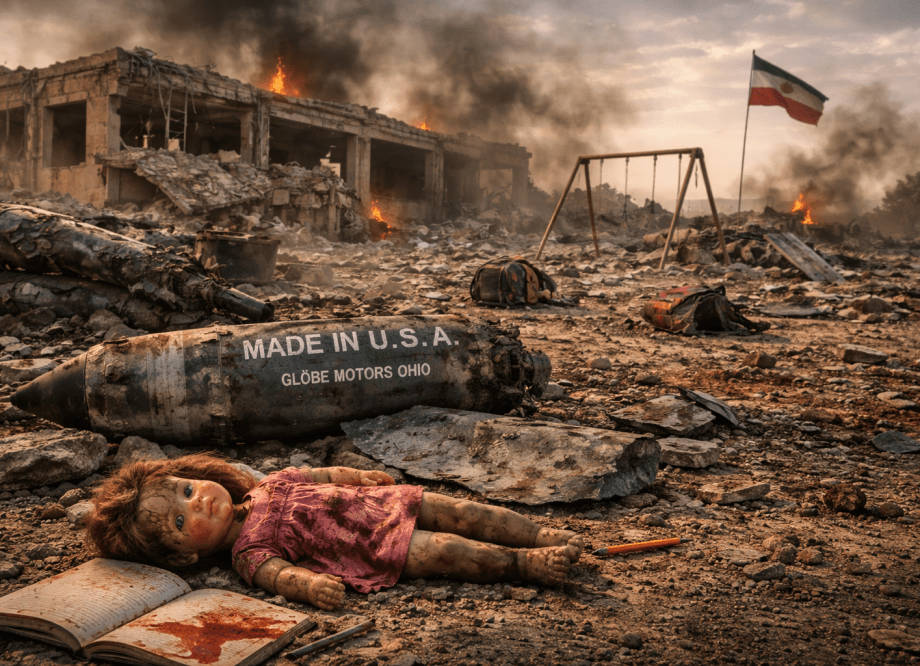
On the eve of a diplomatic breakthrough, the bombs fell. What followed was not a war of necessity but a war of choice, lobbied into existence, launched in bad faith, and paid for in civilian lives.
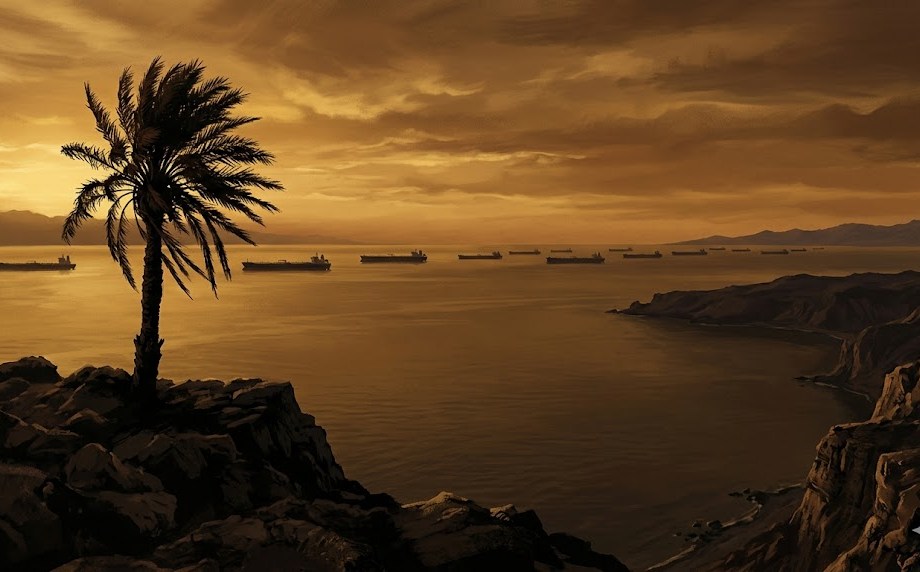
Through the Strait of Hormuz — named either for the Zoroastrian god Ahura Mazda or the Persian phrase for ‘Place of Dates’ — flows 20% of the world’s oil. Or rather, it did. Iran has now reduced traffic by 97%. Urban Wronski traces the etymology, the date palm’s lessons in patience, and what empires learn the expensive way.

A flailing administration, a nuclear pretext recycled from the WMD workshop of 2003, and an Israel that appears to be setting the tempo of a potential world war. Before the missiles fly, Urban Wronski asks the question Washington’s press won’t: is this about Iran — or about saving Trump from himself?
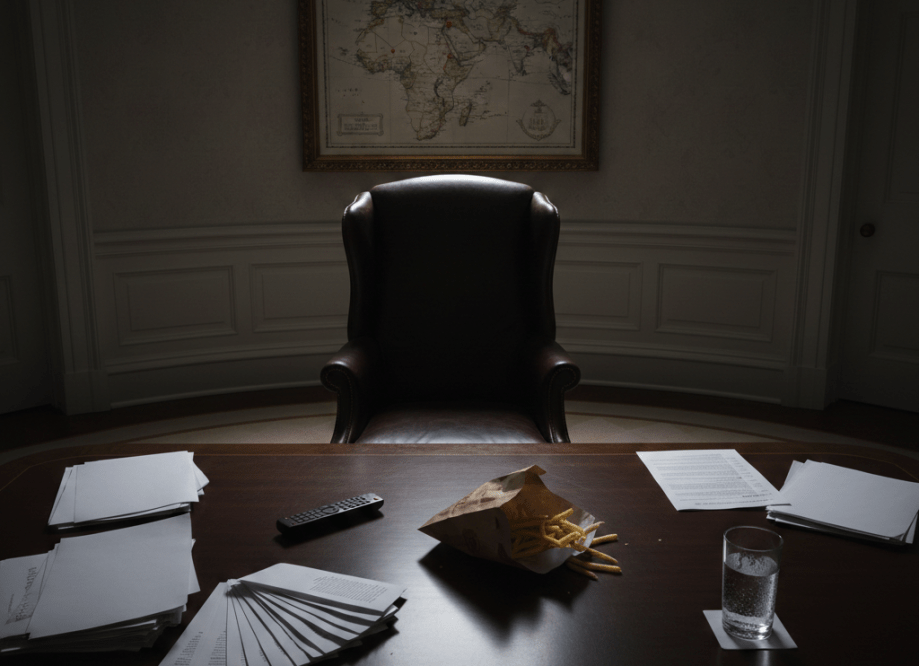
When Donald Trump declares victory over Iran’s nuclear program, his own intelligence chiefs exchange glances. The IAEA knows otherwise. But in the mind of a man with frontotemporal dementia, facts are optional. This is the story of an empire on autopilot — steered by a president whose most dangerous weapon is his own deteriorating mind.
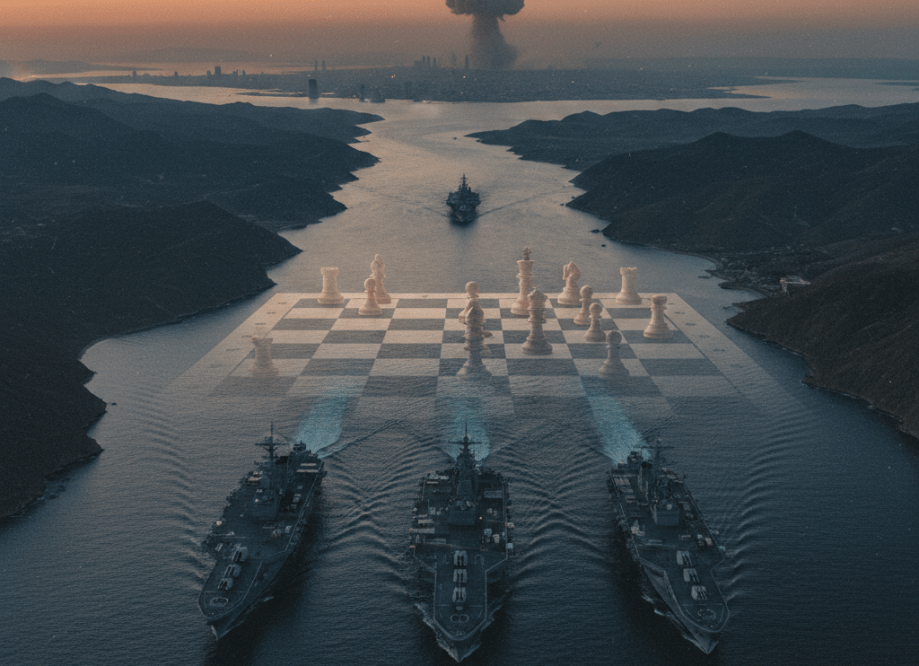
Trump says the United States is “locked and loaded.” Israel has Operation Iron
Strike sitting authorised on a shelf. Yet the second blow on Iran hasn’t
landed — and the reason is written not in diplomatic fine print but in depleted
missile stockpiles and the darkening arithmetic of a CRINK alliance that neither
Washington nor Tel Aviv knows how to break. Vulnerability, not virtue, is
driving the pause.
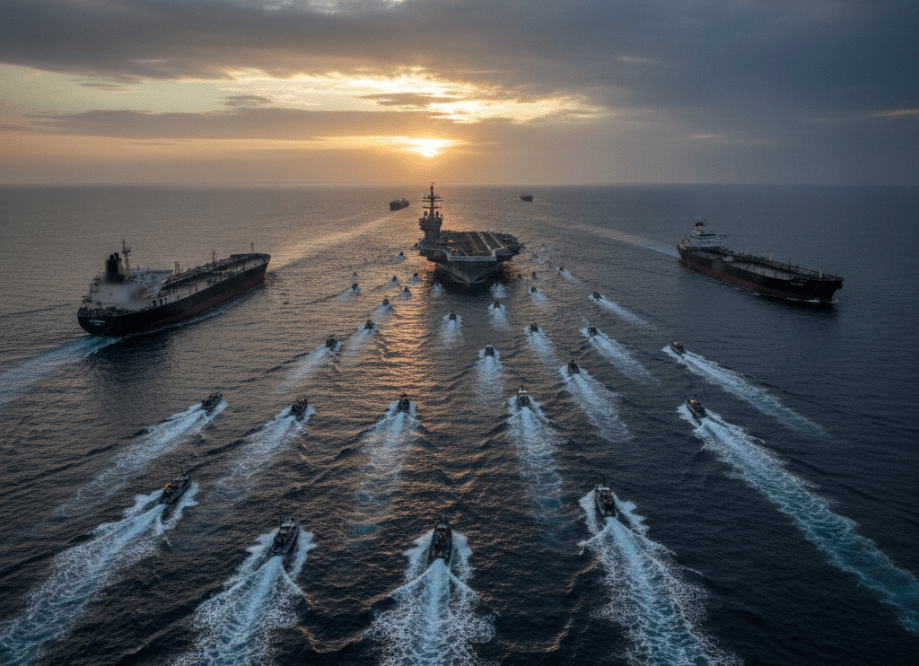
In the Strait of Hormuz, the US and Iran are locked in a silent war of oil, sanctions, and asymmetric tactics. But as Tehran’s shadow fleet outmaneuvers Washington’s sanctions, the real cost is being paid in Texas oil towns and Chinese trading rooms. A deep dive into the economics and human stakes of a conflict America can’t win.
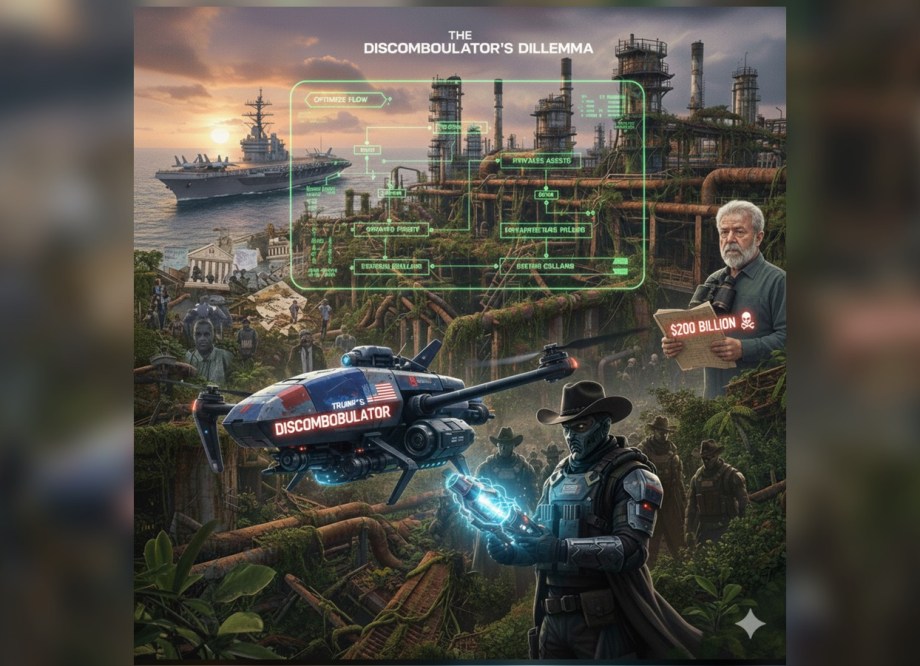
President Trump’s “Caracas raid,” enabled by the mysterious “Discombobulator,” epitomized a “Butch Cassidy” approach to international relations: a quick smash-and-grab to seize vital resources. Yet, as the rusty reality of Venezuela’s dilapidated oil infrastructure and a $200 billion repair bill quickly proved, the high-tech crowbar of the Discombobulator couldn’t fix what decades of neglect and sanctions had broken. Now, as a similar high-stakes gambit unfolds in the Persian Gulf against Iran, leaders like Brazil’s Lula caution against the “terrorism on an industrial scale” that comes with mistaking a tactical victory for a sustainable policy.
The Liberal Party’s leadership circus isn’t just about who wins—it’s about whether Australia can afford the show at all. From Angus Taylor’s Cayman-stained ledgers to Andrew Hastie’s heretical protectionism, the contest for the Liberal crown reveals a party—and a country—grappling with a world order in freefall. Part 1 of a 2-part analysis.

America isn’t collapsing with a bang — it’s being edged out with a yawn. A soft failure: a lukewarm bond auction, a throttled military network, and a world quietly building payment rails that make Washington optional. Australia, naturally, keeps paddling.
Once a week, I share one poem with commentary and insights.
Society, politics, economics, education, population, immigration and demography
Your source for what's trending in the news!
davidtylerpoet
Exclusives | Investigations | News
Sometimes Uncomfortable Reading but…
A topnotch WordPress.com site
An exploration of the hazardous objects and features found in the Victorian home
Psychology & Psychoanalysis in the 21st Century
Musings from home and hearth
Adding my voice to Australian Politics
New, fearless, fresh and original Australian political comment, satire and more.
Political Enthusiasts, Proud ALP & PM Julia Gillard supporters! Dislike media bias. Hate racism, injustice and lies.
Real News - New News - Independent News
This WordPress.com site is the bee's knees
The AIMN is an online platform that provides a space for citizen and public interest journalists to engage in and contribute to independent media, focusing on politics, democracy, environment, and identity.
A topnotch WordPress.com site
SIT DOWN, HAVE A DRINK, RELAX.
 Urban Wronski Writes