Tag: Australian sovereignty

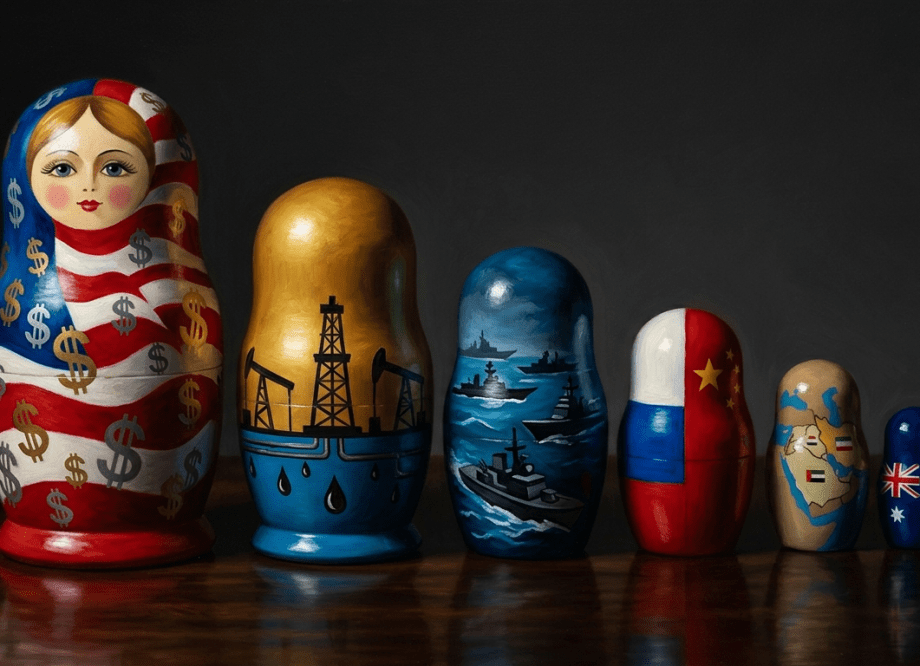
Russian nesting dolls representing layers of the US-Iran war: money, military force, great power rivalry, and Australia

The Stench of Desperation: Trump’s War on Iran and the Babushka of Greed, Ego, and Catastrophe

To make sense of Trump’s war on Iran, imagine a Russian
babushka doll. The outer layer is the story the Pentagon feeds
us. Inside it: petrodollar entanglements, Kharg Island
war-gaming, the strategic patience of Moscow and Beijing,
Netanyahu’s fantasy of the purifying blow. At the very centre,
smaller than it should be, is Australia. Urban Wronski opens
all six layers and does not like what he finds.
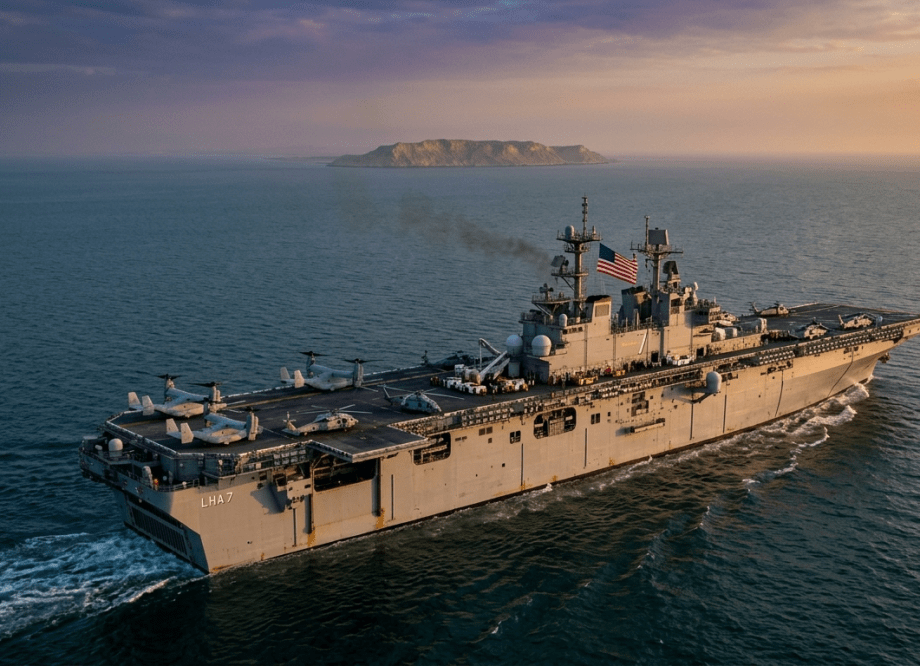
US amphibious assault ship at sea with Kharg Island visible on the horizon, Persian Gulf

Iwo Jima, They Said: Marines Move on Iran as Tel Aviv Burns and the Alliance Dissolves

Lindsey Graham is evoking Iwo Jima. Iran is mining Kharg Island’s shoreline. Seven thousand five hundred US Marines are days away from the Persian Gulf. The war is 26 days old, has cost $18 billion, and the White House’s official position is that they need about a month to “get Iran by the balls.” Australia is calling for de-escalation. The crease in the trousers remains arrow-straight.

The Billion-Dollar Balcony: ASIO’s Sovereignty Failure

When another nation’s intelligence operatives are called in to assist with a domestic security catastrophe, the admission is plain: our billion-dollar spymasters cannot clean up their own mess. The Bondi massacre exposes not just intelligence failure, but the hollowing out of Australian sovereignty itself. ASIO’s budget exceeds $700 million annually, yet perpetrators “known to authorities” strike with impunity while the surveillance state watches from elsewhere.

The Moral Hazard of Being US Deputy-Sheriff

Australian officials watched as US missiles struck Venezuelan fishermen. Eleven died. It was legal, Washington insists. But Australia is not just an observer—we have ADF personnel embedded in US commands, we host Pine Gap targeting facilities, and we help aim weapons we never authorised and cannot refuse. AUKUS binds us more tightly than any alliance since 1945. The question is whether we’ve traded sovereignty for security theatre. And whether a second strike on drowning men will finally be the line we refuse to cross.