A seductive theory claims the US-Israel war on Iran is driven by LNG profits. It sounds convincing. It is also wrong. When examined closely, the market logic collapses, leaving behind a far messier and more dangerous reality.
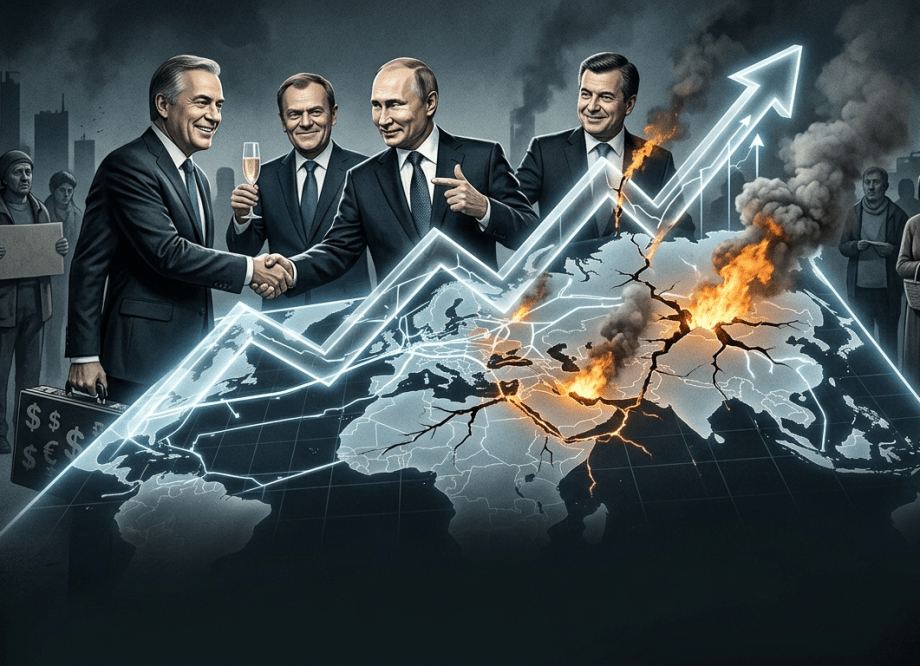
A seductive theory claims the US-Israel war on Iran is driven by LNG profits. It sounds convincing. It is also wrong. When examined closely, the market logic collapses, leaving behind a far messier and more dangerous reality.
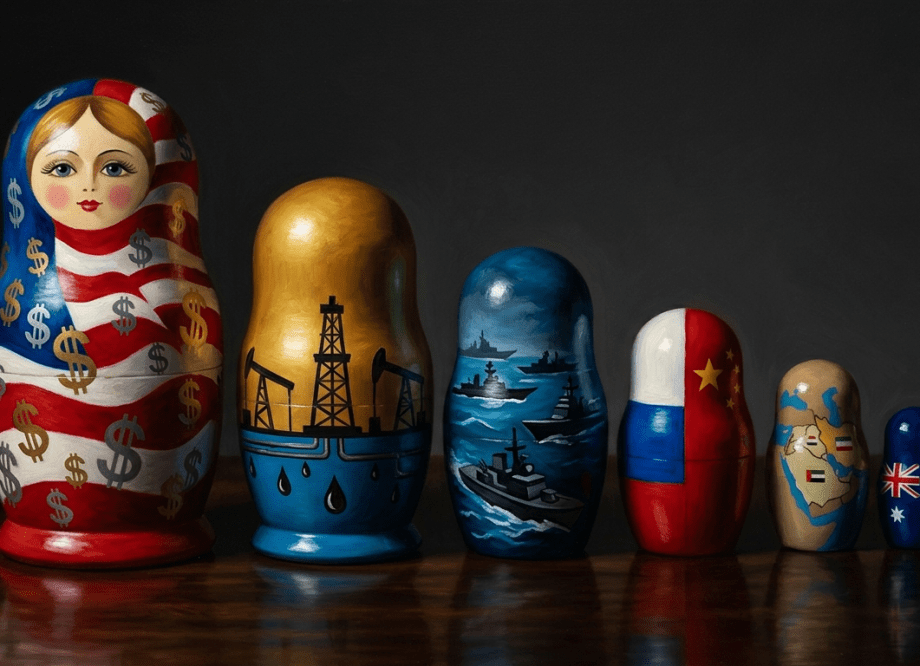
To make sense of Trump’s war on Iran, imagine a Russian
babushka doll. The outer layer is the story the Pentagon feeds
us. Inside it: petrodollar entanglements, Kharg Island
war-gaming, the strategic patience of Moscow and Beijing,
Netanyahu’s fantasy of the purifying blow. At the very centre,
smaller than it should be, is Australia. Urban Wronski opens
all six layers and does not like what he finds.
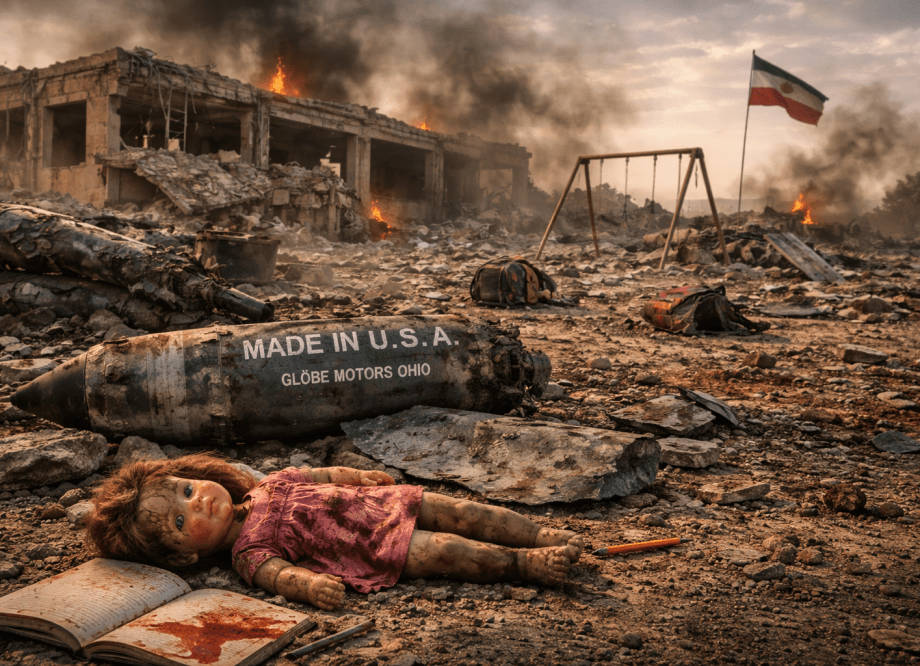
On the eve of a diplomatic breakthrough, the bombs fell. What followed was not a war of necessity but a war of choice, lobbied into existence, launched in bad faith, and paid for in civilian lives.
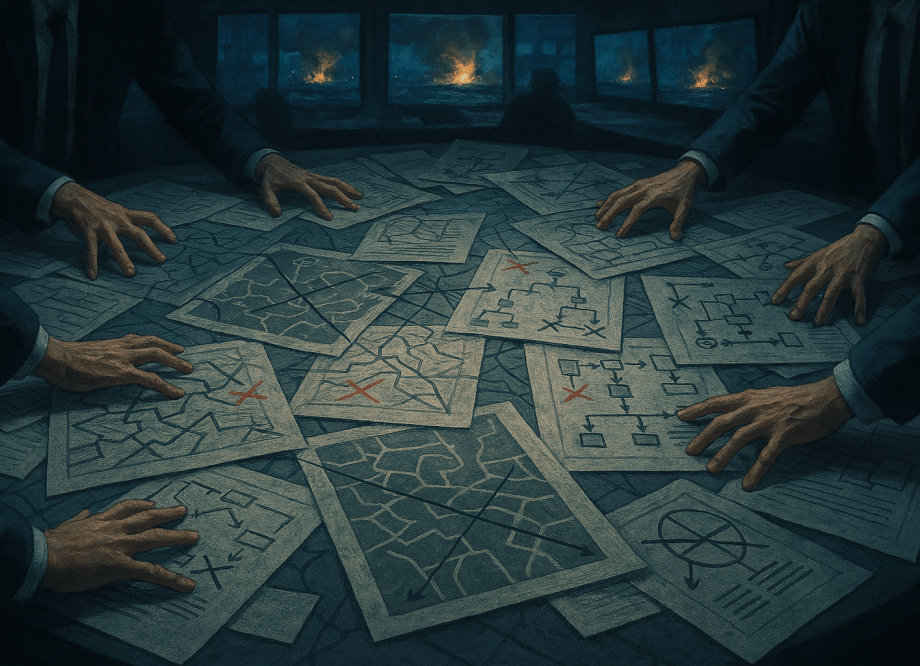
Two weeks into Operation Epic Fury, the Trump administration has no exit strategy, no agreed objective, and a secretary of defence who believes God has a plan for the outcome. Inside the fractures, the contradictions, and the slow drift toward a quagmire nobody in Washington will name out loud. By Urban Wronski.
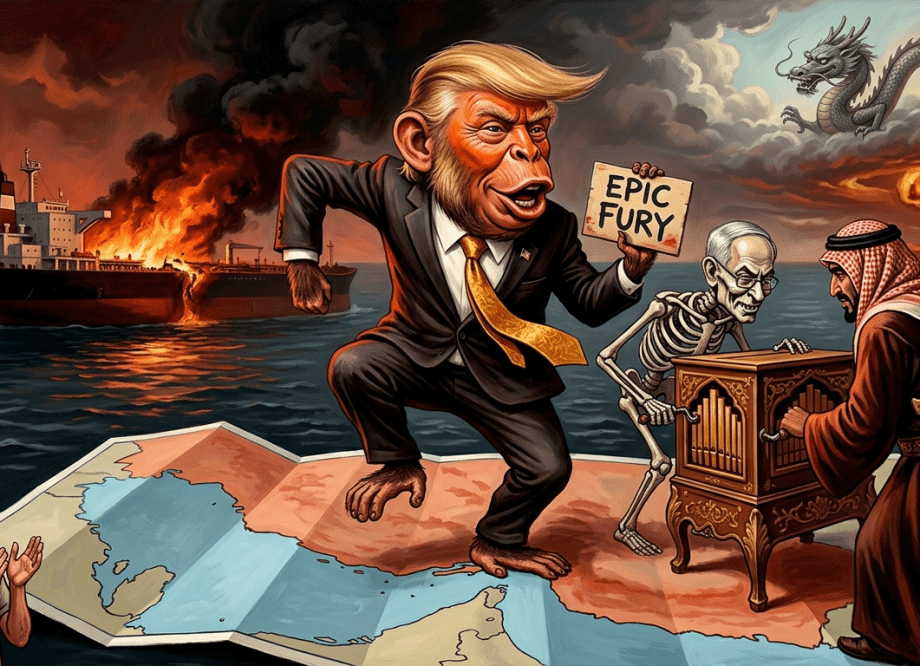
Trump didn’t stumble into the Iran disaster alone. Every catastrophe has its infrastructure – the courtiers, the flatterers, the transactionalists, the true believers, and the merely opportunistic who supplied the scaffolding. Bibi and MBS worked the organ grinders’ handles with professional dedication. But the monkey chose to dance. And in the corner, a daggy bloke from Cronulla was clapping.
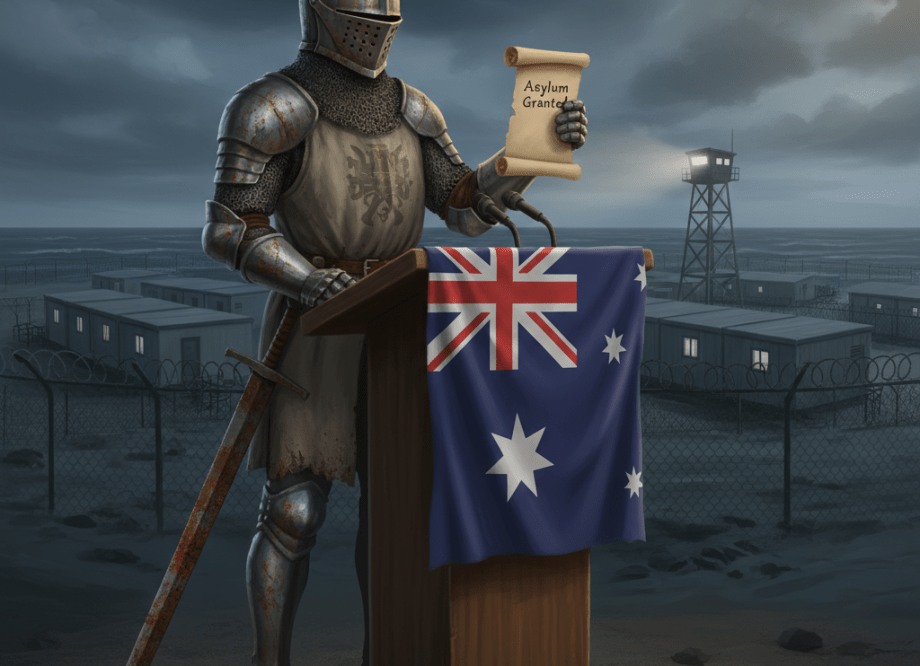
Australia granted asylum to six Iranian footballers this week and the ministerial photographs were impeccable. Behind them sits a detention archipelago that cost taxpayers four million dollars per person per year to maintain, a Witness K prosecution that criminalised truth-telling, and legislation introduced the same week to ban entry to entire nationalities without individual assessment. Urban Wronski looks behind the photo opportunity.
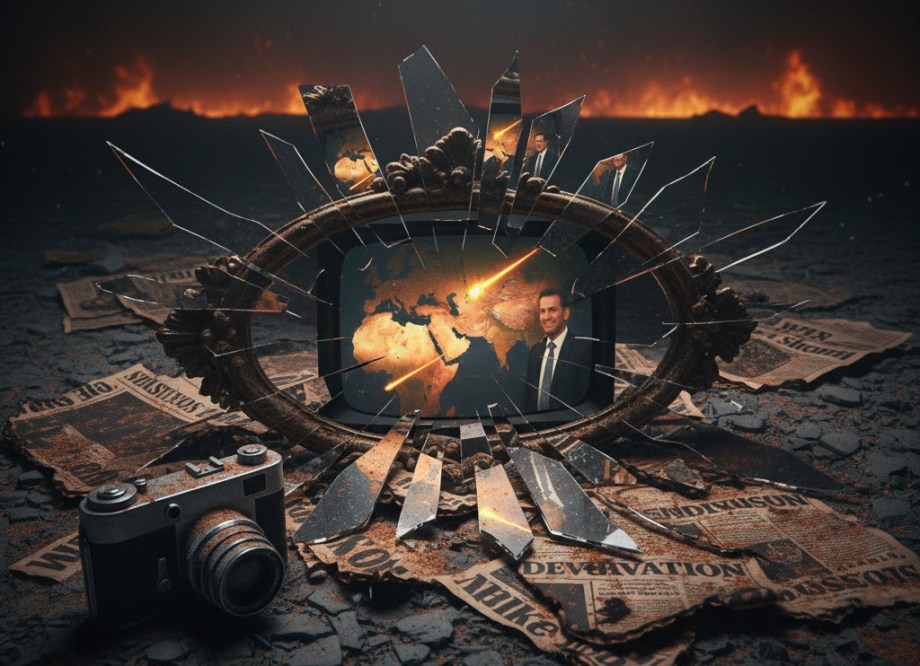
They told you Iran’s missiles were being swatted from the sky. They told you the Iron Dome was holding, the Patriot batteries were working, US and Israeli air power was surgical and winning. They told you this on the ABC. They told you this on Sky.
They were telling you nonsense.
MIT Professor Ted Postol — the man who proved the Patriot missile failed in the Gulf War while presidents were claiming a 97 percent success rate — has now established that current intercept rates against Iranian missiles run at a few percent at most. The systems are depleting. The decoys are multiplying. The official story is, in his own carefully chosen word, a fraud.
The first casualty of war is truth. But the deeper insight, the one Phillip Knightley identified fifty years ago, is that the lies are not random. They serve purposes. And right now, they are serving purposes that Australians have every right to examine.
Once a week, I share one poem with commentary and insights.
Society, politics, economics, education, population, immigration and demography
Your source for what's trending in the news!
davidtylerpoet
Exclusives | Investigations | News
Sometimes Uncomfortable Reading but…
A topnotch WordPress.com site
An exploration of the hazardous objects and features found in the Victorian home
Psychology & Psychoanalysis in the 21st Century
Musings from home and hearth
Adding my voice to Australian Politics
New, fearless, fresh and original Australian political comment, satire and more.
Political Enthusiasts, Proud ALP & PM Julia Gillard supporters! Dislike media bias. Hate racism, injustice and lies.
Real News - New News - Independent News
This WordPress.com site is the bee's knees
The AIMN is an online platform that provides a space for citizen and public interest journalists to engage in and contribute to independent media, focusing on politics, democracy, environment, and identity.
A topnotch WordPress.com site
SIT DOWN, HAVE A DRINK, RELAX.
 Urban Wronski Writes