A seductive theory claims the US-Israel war on Iran is driven by LNG profits. It sounds convincing. It is also wrong. When examined closely, the market logic collapses, leaving behind a far messier and more dangerous reality.

A seductive theory claims the US-Israel war on Iran is driven by LNG profits. It sounds convincing. It is also wrong. When examined closely, the market logic collapses, leaving behind a far messier and more dangerous reality.

You do not need a conspiracy theory when you have a balance sheet. The Iran war has eliminated America’s two main rivals in the global LNG market. Senator Lindsey Graham told us it was a good investment. He was not wrong.
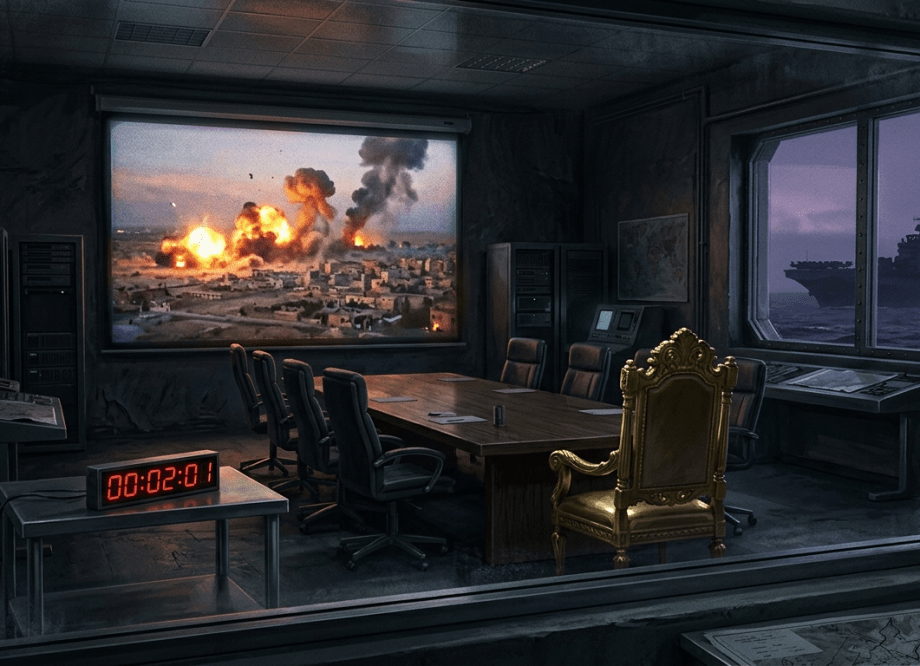
Trump’s April 6 deadline is not diplomacy. It is a ten-day window. The Marines are not sailing toward the Persian Gulf for a holiday.
TAGS: Operation Epic Fury, Iran war, Trump, Pete Hegseth, Rupert Murdoch, Strait of Hormuz, ground invasion, Kharg Island, US Marines, 82nd Airborne, Michael Wolff, Netanyahu, doublespeak, Australian complicity

To make sense of Trump’s war on Iran, imagine a Russian
babushka doll. The outer layer is the story the Pentagon feeds
us. Inside it: petrodollar entanglements, Kharg Island
war-gaming, the strategic patience of Moscow and Beijing,
Netanyahu’s fantasy of the purifying blow. At the very centre,
smaller than it should be, is Australia. Urban Wronski opens
all six layers and does not like what he finds.
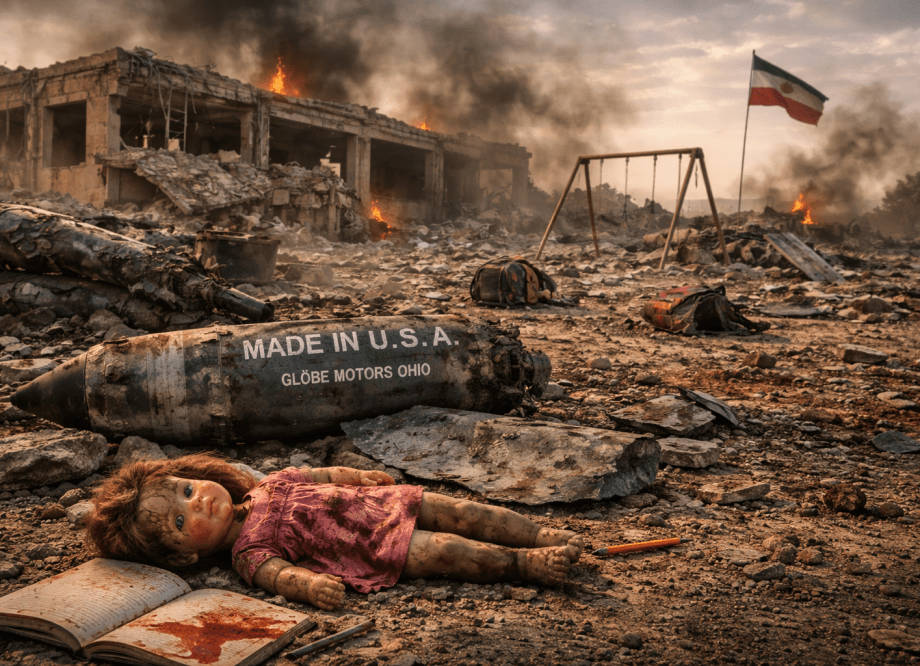
On the eve of a diplomatic breakthrough, the bombs fell. What followed was not a war of necessity but a war of choice, lobbied into existence, launched in bad faith, and paid for in civilian lives.
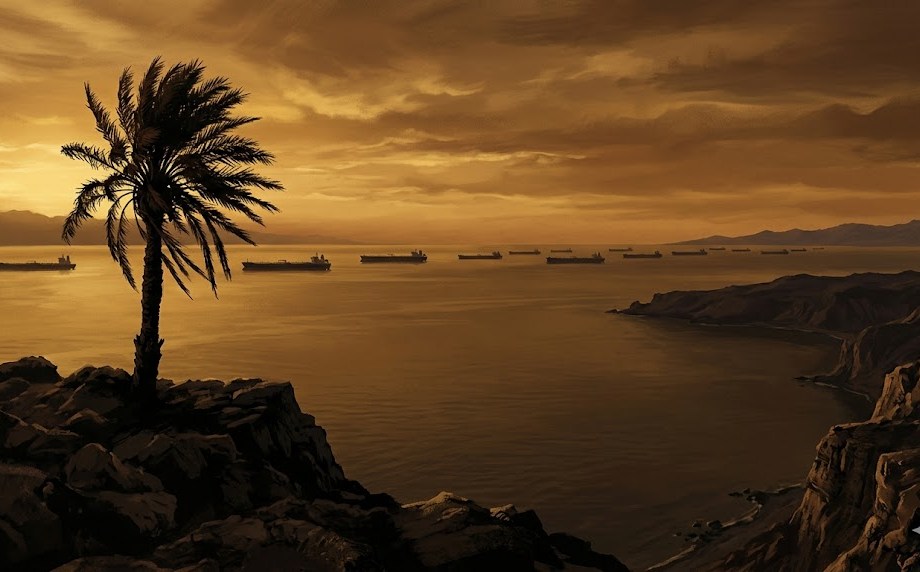
Through the Strait of Hormuz — named either for the Zoroastrian god Ahura Mazda or the Persian phrase for ‘Place of Dates’ — flows 20% of the world’s oil. Or rather, it did. Iran has now reduced traffic by 97%. Urban Wronski traces the etymology, the date palm’s lessons in patience, and what empires learn the expensive way.
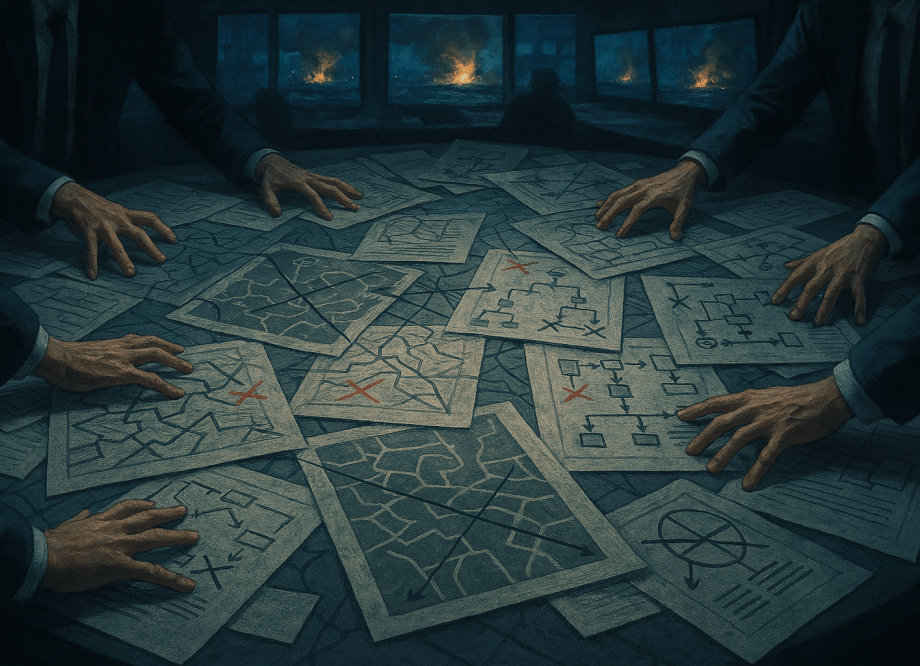
Two weeks into Operation Epic Fury, the Trump administration has no exit strategy, no agreed objective, and a secretary of defence who believes God has a plan for the outcome. Inside the fractures, the contradictions, and the slow drift toward a quagmire nobody in Washington will name out loud. By Urban Wronski.
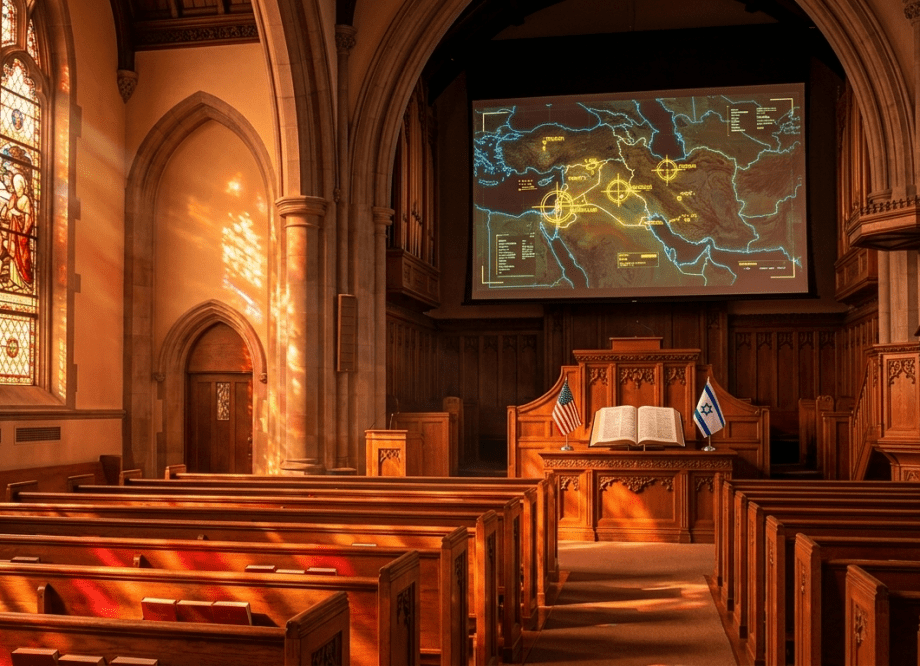
There is an old military principle, so obvious it barely needs stating: before you start a war, know what winning looks like. Know how it ends. Have a plan for the morning after. The United States and Israel, in launching Operation Epic Fury against Iran … Continue reading The Fog of Holy War: How America and Israel Blundered Into a Conflict They Cannot Win, Cannot Define, and Cannot End

Jean-Paul Sartre wrote a play about three people locked in a room with an unlocked door nobody would walk through. He called it No Exit. He was writing about Operation Epic Fury seventy years before it happened. A forensic anatomy of a war built from mutual imprisonment, strategic miscalculation, and the fatal habit of assuming the other side thinks like us.
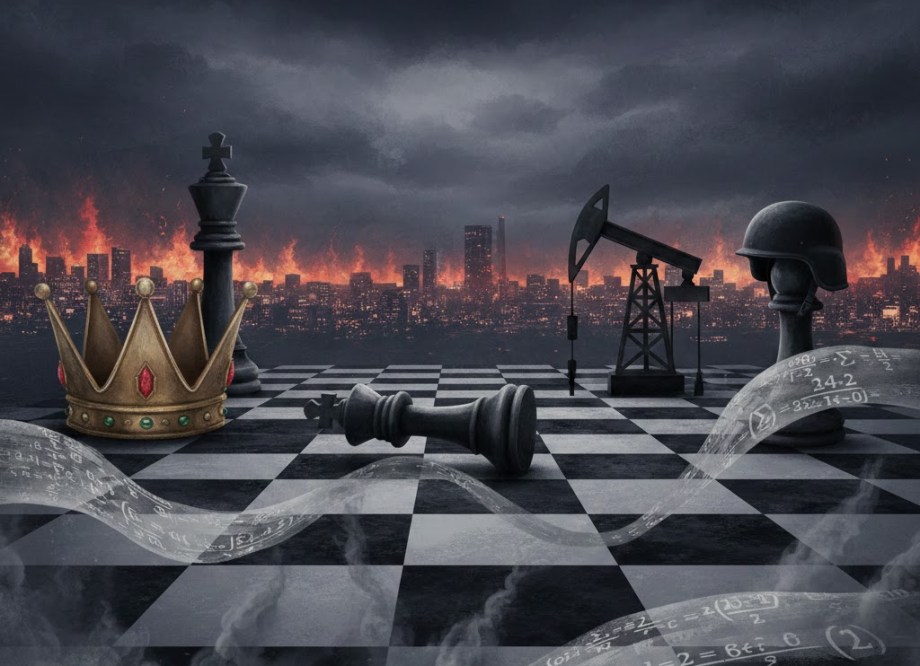
Russia feeds Tehran American targeting intelligence. Netanyahu needs the war to continue. MBS counts his oil revenues. One hundred and seventy-five children were at school in Minab when the missile struck. The mathematics of this catastrophe have been visible from the start. That nobody in Washington appears to have done the sums is the most damning fact of all.
Once a week, I share one poem with commentary and insights.
Society, politics, economics, education, population, immigration and demography
Your source for what's trending in the news!
davidtylerpoet
Exclusives | Investigations | News
Sometimes Uncomfortable Reading but…
A topnotch WordPress.com site
An exploration of the hazardous objects and features found in the Victorian home
Psychology & Psychoanalysis in the 21st Century
Musings from home and hearth
Adding my voice to Australian Politics
New, fearless, fresh and original Australian political comment, satire and more.
Political Enthusiasts, Proud ALP & PM Julia Gillard supporters! Dislike media bias. Hate racism, injustice and lies.
Real News - New News - Independent News
This WordPress.com site is the bee's knees
The AIMN is an online platform that provides a space for citizen and public interest journalists to engage in and contribute to independent media, focusing on politics, democracy, environment, and identity.
A topnotch WordPress.com site
SIT DOWN, HAVE A DRINK, RELAX.
 Urban Wronski Writes