Category: Australian Politics National Security Civil Liberties Media & Power

“There’s a reflex in Australian politics that turns grief into ladder-climbing. After Bondi, the chorus demanding a Royal Commission has become compulsory. But the nation is being sold catharsis when what’s needed is law—and what’s on offer is legally hobbled theatre.”

Abbott’s Bondi Grandstanding: Who Elected Fox News to Speak for Australia?

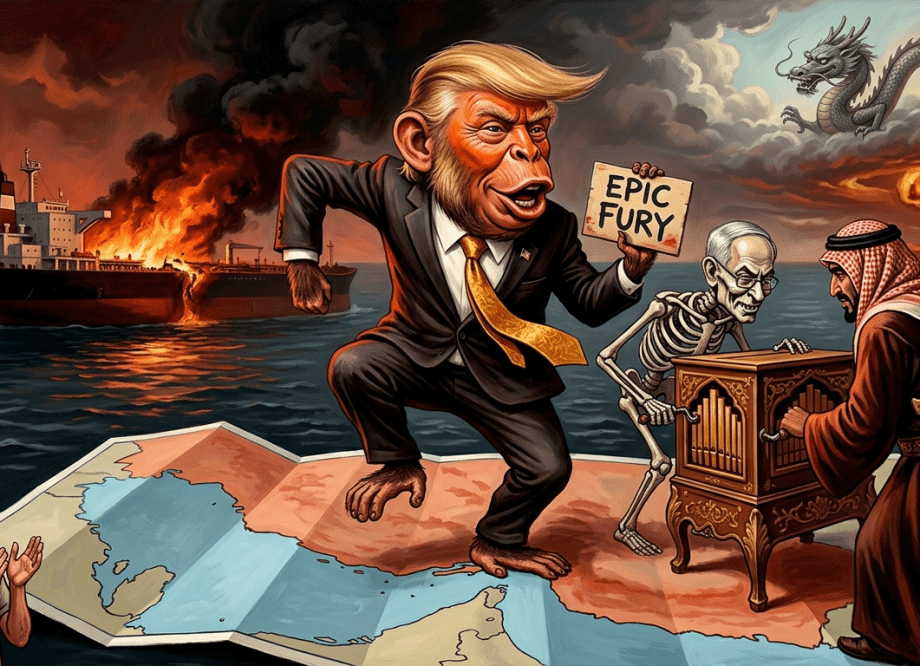
Picture Tony Abbott at the IPA lectern, Bondi’s blood barely dry, branding the killings “an attack on all Australians.” Before we accept the performance, it’s worth examining the script – and the stagehands. Abbott is not a former PM quietly offering reflection. He is a paid director of Fox Corporation, Rupert Murdoch’s US outrage sausage-machine, earning well over AU$500,000 a year. When he inflates tragedy into civilisational war, he speaks from inside the Fox wheelhouse, not from civic conscience.

Standing Together (a joint Palestinian‑Jewish project advocating for equality and peace in Israel‑Palestine)

Who’s Got Religion? Part One: The Myth of the Religious Nation

Australia is a post-religious nation whose institutions remain structured for religious privilege. We have declining religious participation but expanding religious institutional power. We have fewer believers but stronger legal protections for discrimination. We have marginal religious practice but media that treats religious institutions as deserving special deference. Most Australians don’t have religion. But religious institutions—operating through legal privilege, institutional networks, lobbying capacity, and media deference—hold a powerful grip on Australian public policy, education, and employment law. They retain structural power precisely because they no longer need mass participation.

Billion Dollar Balcony Part 2: A Failure to Protect

Australia’s intelligence agencies had the data, the powers and the warnings. What they lacked was the capacity, or the incentive, to act. Part 2 examines how lawful firearms, foreign travel to militant regions and prior extremist scrutiny failed to trigger intervention before fifteen people were killed at Bondi. Surveillance was abundant. Prevention was absent.