Author: urbanwronski

Urban Wronski is an Australian free-lance writer whose work appears regularly in The Independent Australia, The Tasmanian Times and also in The Australian Independent Media Network. He has also been published in Guardian Australia. An acute observer and analyst Urban continues to advocate for a just, tolerant and compassionate society.

CAUGHT IN THE CRUNCH: The Surveillance State Comes to Your Local Supermarket

Walk into any Coles outlet today and you’re not just buying milk. You’re feeding a surveillance machine processing 10 billion rows of data through Peter Thiel’s Palantir Technologies. In early 2024, Coles signed a deal to deploy Palantir’s “Foundry” platform across more than 840 stores, analysing every transaction, every worker’s movement, every shift allocation. Workers across Victoria are monitored, with one shelf-stacker in Ballarat saying: “The computer knows where I am before my manager does.”

The Moral Hazard of Being US Deputy-Sheriff

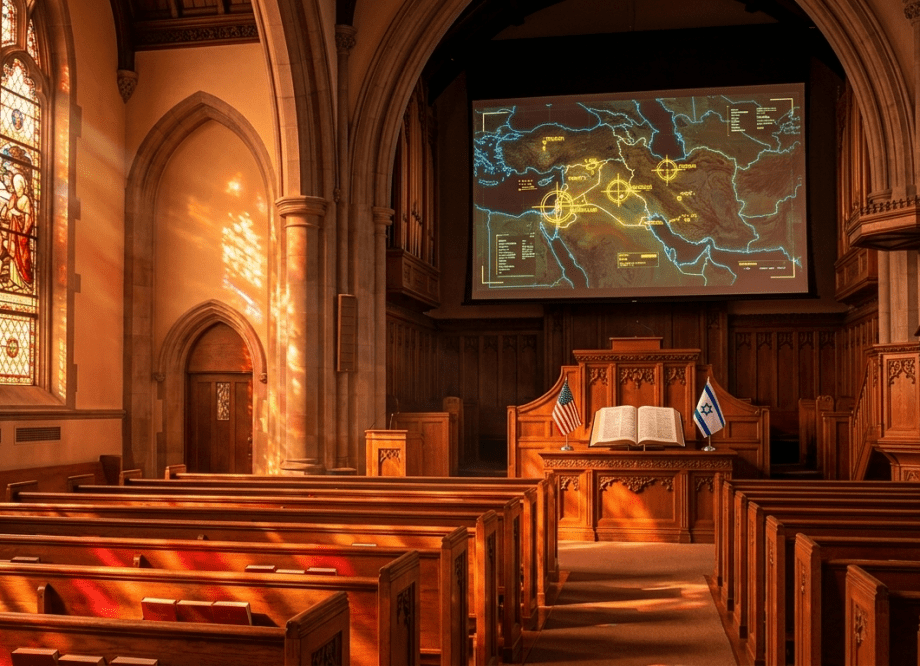
Australian officials watched as US missiles struck Venezuelan fishermen. Eleven died. It was legal, Washington insists. But Australia is not just an observer—we have ADF personnel embedded in US commands, we host Pine Gap targeting facilities, and we help aim weapons we never authorised and cannot refuse. AUKUS binds us more tightly than any alliance since 1945. The question is whether we’ve traded sovereignty for security theatre. And whether a second strike on drowning men will finally be the line we refuse to cross.

Stand By Your Ban: A Post-Truth Reflection

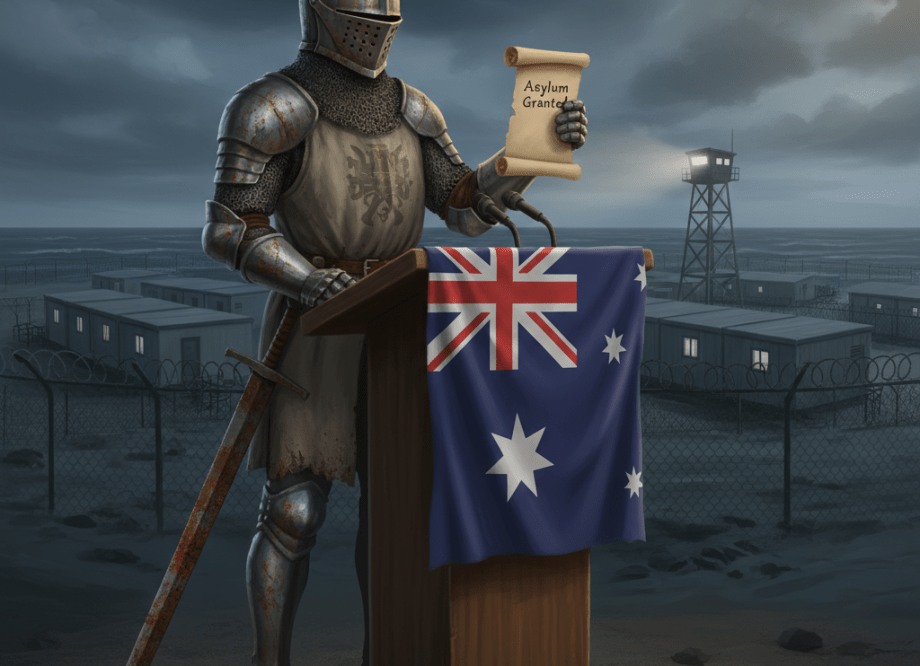
Welcome to Post-Truth Australia, where the lies have become so brazen they’ve stopped pretending to be anything else. The Coalition’s “Net Zero Heroes” want to dig up every tonne of coal in the country. Tasmania’s preparing a modern potlatch ceremony – ceremonially bankrupting itself with a stadium that’ll cost billions while the AFL chips in $15 million. And our Communications Minister stands firm on a social media ban that wouldn’t work in an iron lung. It’s mythomania at industrial scale, and as Hemingway knew: we go broke gradually, then suddenly.

Part Four: “When ‘Historic Reform’ Means Managed Decline”

The final instalment: Did Labor’s environmental reform stop the degradation, or just slow it down enough to look serious while keeping the machinery of destruction functional? We measure the bill against Samuel’s recommendations, synthesise what every independent expert told us, and reveal the four-step pattern of how to manage environmental decline while calling it protection. This is policy capture in a democracy, not through corruption or conspiracy, but through the mundane mechanics of political calculation where industry interests outweigh both scientific advice and majority voter preference.